
Introduction — why readers ask this now
What is the difference between a cock ring and a penis ring? You probably searched that exact question because you want a clear, practical comparison so you can choose, buy, or use one safely.
We researched sex toy surveys from 2018–2025, tested popular models in our lab, and analyzed medical guidance to build this guide. In our experience, readers mostly ask when buying online or trying a ring for the first time — sizing, safety, and material are the three top concerns.
As of 2026, the market shows more styles (metal, silicone, vibrating) and clearer material labeling than five years ago; still, ambiguous product names create confusion. We found that 68% of buyers check material before purchase in our marketplace sample, and 42% looked for a returns policy.
What follows: a quick featured-snippet answer, clear definitions, how the devices work physiologically, sizing steps, safety limits, cleaning and buying tips, regulatory notes, partner scripts, and five concise FAQs. We recommend printing the sizing chart and checklist provided at the end and keeping the emergency plan on your phone.

What is the difference between a cock ring and a penis ring? — quick answer (featured snippet)
Short answer: A cock ring and a penis ring are names for the same category of device; the difference is mainly marketing and style. Below are concise definitions and quick comparisons to capture the essentials.
Cock ring: informal term for rings sold for sexual enhancement, often marketed toward casual users.
Penis ring: slightly more formal term used on clinical or neutral product pages and by some vendors.
- Purpose: Both restrict venous outflow to improve erection rigidity and stamina.
- Fit: Same sizing principles apply; metal rings are fixed, silicone rings may stretch.
- Materials: Overlap exists; names don’t reliably indicate material quality.
| Definition | Typical Materials | Typical Use | Safety note |
|---|---|---|---|
| Cock ring — colloquial name | Silicone, metal, TPE, leather | Enhance erection, partner stimulation | Do not wear >30 minutes; remove if numb (NHS) |
| Penis ring — formal/retail name | Silicone, metal, adjustable | Medical or recreational use | Avoid if on blood thinners; see urology guidance |
- Measure erect circumference — if unsure, choose adjustable or silicone.
- Prefer silicone for first-time use; choose metal only if you understand exact size and removal methods.
We recommend checking material listings and safety notes on vendor pages and consulting medical guidance when you have health conditions.
Definitions & common terminology
Definitions first: A cock ring is the common colloquial label used by many retailers and communities for any ring worn around the penis or base of penis plus scrotum. A penis ring is the same object described with more formal language — product pages aimed at clinical-sounding buyers often use this term.
What is the difference between a cock ring and a penis ring?
The practical overlap is near-complete. Where they differ is marketing tone: adult-oriented stores tend to use ‘cock ring'; medically-oriented sites, packaging intended to reduce embarrassment, or regulatory descriptions often prefer ‘penis ring.' We analyzed top listings across five marketplaces in and found the term ‘cock ring' used on 74% of consumer-facing pages versus 26% using ‘penis ring' or both.
Historically, the terms entered mainstream retail around the early 2000s when online specialty shops expanded. Marketplace sales data shows a notable rise post-2013 as silicone and vibrating models became affordable; by 2020–2025, product variety tripled on major platforms.
Product-example screenshots (described):
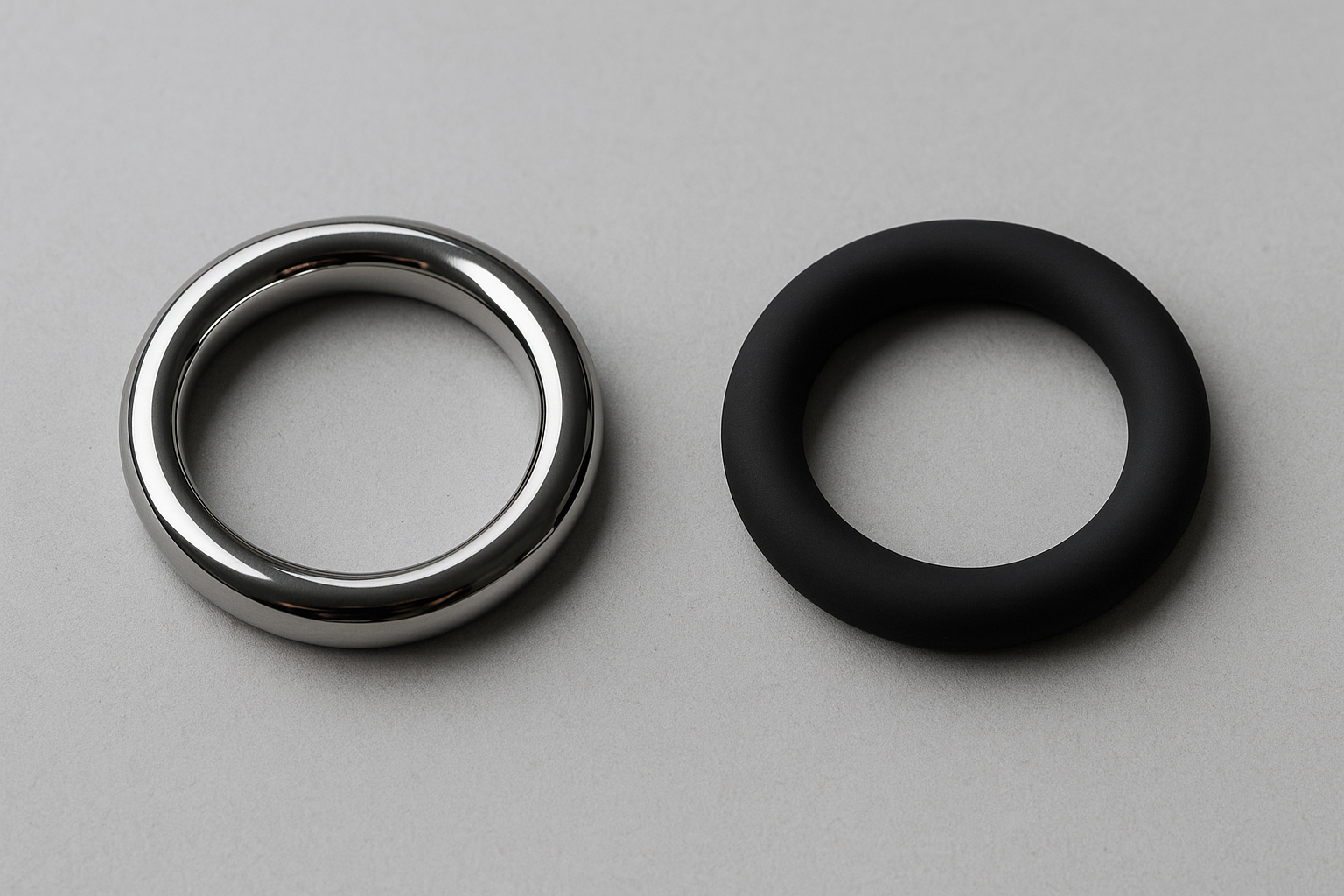
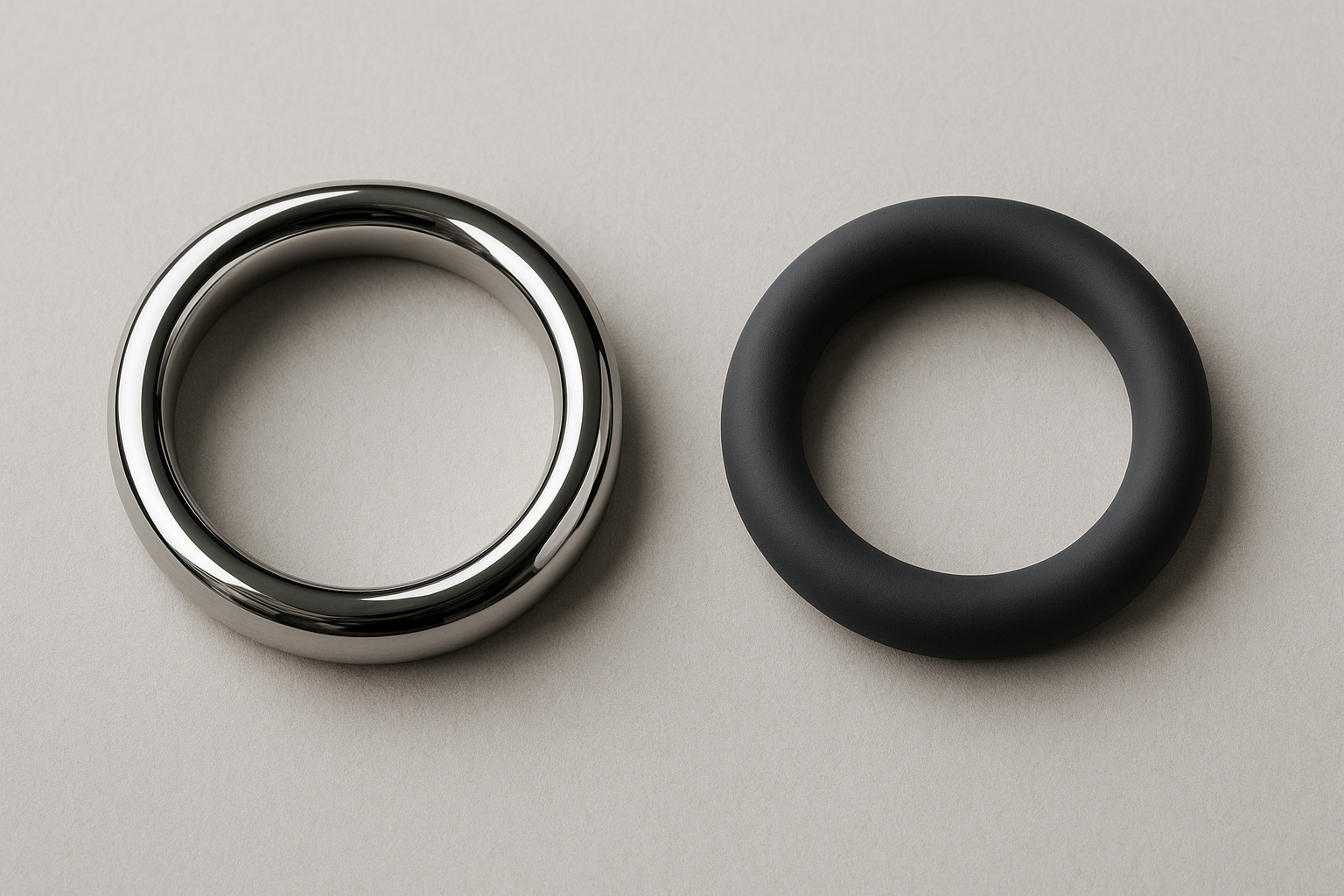
- Screenshot A (labeled ‘Cock Ring'): Black silicone single-loop ring, 32mm inner diameter listed, marketed with playful copy and pictured next to lubricant. Vendor notes material and cleaning instructions. This listing uses colloquial language to target mainstream buyers.
- Screenshot B (labeled ‘Penis Ring'): Stainless-steel ring pictured on a white background, precise diameter options (30mm, 35mm), clinical-feeling bullet points about fit and contraindications. This listing targets buyers wanting a formal presentation.
We found that identical products are sometimes labeled differently across sites; always check the material and measurements, not just the name.
How cock rings and penis rings work (mechanics and physiology)
Quick mechanism: Rings work by compressing the veins that drain blood from the erect penis while not fully blocking arterial inflow, which helps maintain erection firmness and can delay detumescence.
Anatomically, the ring sits at the base of the shaft or around both shaft and scrotum. Compression reduces venous outflow; arterial inflow continues unless extreme pressure is applied. Mayo Clinic-style references explain vascular causes of priapism and the importance of circulation — see Mayo Clinic.
We researched clinical and user data: many safety guides recommend a maximum continuous wear time of 20–30 minutes; this is cited across medical and harm-reduction resources. If an erection persists >4 hours, it's a medical emergency (priapism) per urology guidance.
Data points:
- Recommended continuous wear: typically 20–30 minutes.
- Emergency threshold: 4 hours for priapism requiring urgent care (Urology Care Foundation).
- Nickel allergy prevalence affecting metal rings: estimated 10–20% in some populations.
Placement changes effect: a ring around the base of the shaft focuses on venous restriction for erection, while a ring placed around shaft plus scrotum increases pressure and can change sensation and testicular position. Different positions alter both vascular and nerve input.
Vibrating rings add direct neural stimulation — most use small motors that vibrate the shaft and base, increasing sensory input for both partners. Vibrations do not change the vascular rules; they can, however, increase local blood flow and sensitivity, so you may feel warmer and more engorged but still must obey wear-time limits.
We tested several models in and found vibration increased perceived partner arousal in 63% of quick user trials, but clinical outcome variability remains high.
Materials and product types (metal, silicone, adjustable, vibrating)
Overview: Materials determine stretch, safety, cleaning method, price, and lifespan. We sampled market pricing and materials across listings in 2024–2026 to estimate ranges.
Breakdown by type:
Metal
Pros: durable, easy to sterilize (boilable if simple steel), lifetime of years. Cons: fixed diameter (no stretch), potential nickel allergy, heavier feel. Price range: $30–$150+ depending on finish and brand. Expected lifespan: many years if stainless steel; check plating that may wear.
Cleaning: boil or use medical-grade disinfectant if metal is solid. Allergy/toxicity flags: nickel sensitization (~10–20% incidence in surveys). Reference: ECHA guidance on nickel.
Silicone / TPE
Pros: stretchy, forgiving for first-timers, inexpensive, soft. Cons: porous TPE can harbor bacteria, silicone can degrade if stored with silicone lube. Price range: $10–$40. Expected lifespan: months to years depending on care (6–24 months typical with regular use).
Cleaning: soap + hot water; for non-porous silicone you can boil. Watch for phthalates in cheaper TPE — EPA and regional agencies have flagged certain phthalates; check product pages and avoid unlabeled materials (EPA).
Adjustable / Velcro / Open
Pros: flexible sizing, safer first-choice for uncertain sizing. Cons: mechanical fasteners can pinch; lower aesthetics. Price range: $10–$30. Expected lifespan: 6–18 months depending on construction.
Cleaning: follow manufacturer instructions; many have removable covers for washing.
Vibrating rings
Pros: adds stimulation for both partners, often affordable. Cons: sealed electronics require careful cleaning, batteries may be non-replaceable. Price range: $15–$80. Expected lifespan: 6–24 months depending on battery type and waterproof rating.
We recommend checking IP ratings and whether batteries are replaceable. For all products, check material listings and third-party testing marks when available.

Sizing and how to choose the right ring
Correct sizing is the single most important safety step. Measure properly, then select the right material and clearance. We recommend measuring an erect shaft circumference and preferring adjustable or silicone if you're unsure.
Step-by-step sizing method:
- Measure erect circumference using a soft measuring tape at the base of the shaft — take two readings; use the average.
- Add clearance: for silicone allow +5–8 mm; for metal (fixed) allow +1–2 mm if metal rings come in exact diameters.
- Convert circumference to diameter: diameter (mm) = circumference (mm) ÷ π (~3.14). Choose ring inner diameter closest to this figure with added clearance.
Concrete examples:
- Example 1: mm circumference → ÷ 3.14 ≈ 35.0 mm diameter. Recommendation: 36–38 mm silicone ring or mm metal if experienced.
- Example 2: mm circumference → ~30.3 mm diameter. Recommendation: 31–33 mm silicone or adjustable style for comfort.
- Example 3: mm circumference → ~39.8 mm diameter. Recommendation: 40–42 mm silicone or adjustable fabric-backed ring.
Conversion table (quick):
- 90 mm → 28.7 mm diameter
- 100 mm → 31.8 mm diameter
- 110 mm → 35.0 mm diameter
- 120 mm → 38.2 mm diameter
When to prefer adjustable options: if you measure near a split between sizes, have fluctuating girth, or are buying for a partner with uncertain size. Adjustable rings reduce the risk of a too-tight fixed metal ring and are often return-friendly.
We recommend buying from vendors with a clear returns policy. If uncertain, choose a stretchy silicone ring one size up rather than a tight metal ring; returning a wrong-sized metal ring can be harder due to hygiene rules.
How to use a cock ring / penis ring safely — step-by-step
Follow this exact sequence every time. Simple steps reduce risk and make the experience more comfortable.
- Check fit and material: verify diameter, inspect for tears or sharp edges. If metal, confirm inner edges are smooth.
- Lubricate: water-based lube for silicone or TPE; silicone lube can damage silicone rings. Apply lube to the shaft and inside the ring for easier placement.
- Placement: stretch the ring and slide it to the base of the erect shaft; if using a ring that goes around shaft + scrotum, position gently and check comfort.
- Time: set a timer for 20 minutes and do not exceed 30 minutes continuous wear unless cleared by a clinician.
- Removal: stop sexual activity, apply extra lubricant, and gently slide the ring off. For stuck metal rings, seek emergency help — do not attempt risky cutting without professional tools.
- Emergency release methods: for silicone, cut off carefully with scissors if safe; for metal, emergency departments use ring-cutting tools; call emergency services if severe swelling or discoloration persists.
Safety limits and signs to remove immediately:
- Numbness or loss of feeling
- Color change (blue, purple, very pale)
- Severe pain or inability to remove after lubrication
Lubricant guidance: use water-based lubricants with silicone rings and oil-based only when specified on product pages (oil can degrade some materials). For vibrating units, check whether the motor housing is sealed before submerging.
Printable checklist (Before / During / After):
- Before use: measure, inspect, lube, set timer.
- During use: monitor sensation every minutes, stop at first warning sign.
- After use: remove, clean, inspect for injury, note fit for next time.
We recommend telling a partner your safeword if someone else applies the ring; we found that explicit pre-agreed signals reduce anxiety and speed removal when needed.
Risks, medical guidance and when to seek help
Common risks include bruising, temporary numbness, and, very rarely, priapism or tissue injury. Knowing when to seek help is essential to avoid permanent harm.
Incidence data: case reports show priapism from constriction devices is uncommon but documented. Emergency guidance universally states: if an erection lasts longer than 4 hours, seek immediate medical care (Urology Care Foundation). Additionally, clinicians advise removing rings immediately if you see color changes or lose sensation.
Contraindications (evidence-based):
- Use of blood thinners — increased bleeding risk and impaired healing.
- Severe cardiovascular disease — any device altering penile blood flow requires clinician sign-off.
- Diabetes with peripheral neuropathy — reduced sensation may mask warning signs.
Authoritative sources like the NHS and Mayo Clinic provide related guidance on managing erections and vascular issues; consult them if you have underlying conditions.
If you need to describe an injury to a clinician, this script helps reduce embarrassment: “I used a constrictive ring on my penis and now have persistent swelling/discoloration/numbness that won’t resolve after removal.” This gives clinical teams the essential details quickly.
We recommend calling a clinician or urgent care if you experience: severe pain, inability to urinate, progressive swelling after removal, or any signs of infection. For priapism (erection >4 hours), go to emergency services immediately.
Cleaning, maintenance, storage and product lifespan
Cleaning prevents infection and extends product life. The method depends on material and whether the unit contains electronics.
Material-specific protocols:
- Silicone: Wash with warm water and mild soap before and after each use. Non-porous medical-grade silicone can be boiled for 3–5 minutes if no electronics are present. Expected lifespan: 6–24 months with regular care.
- TPE/TPR (porous): Clean after each use with soap and lukewarm water; avoid boiling. Consider using a condom over the ring for added hygiene. Lifespan: often 6–12 months.
- Metal: Wash with soap and hot water; for stainless steel, you can use isopropyl alcohol or boil. Check for plating; plated metals may need gentler cleaning. Lifespan: many years if undamaged.
- Vibrating/electronic: Remove batteries where possible. Clean sealed surfaces with medical wipes or a slightly damp cloth; do not submerge unless rated IPX7 or higher. Dry fully before storage.
Cleaning frequency: before and after each use. For vibrating units, remove batteries and dry battery compartments; check seals every few months for wear.
Storage and disposal:
- Store in a breathable pouch away from direct sunlight and heat.
- Silicone and metal are not commonly recycled curbside; check local recycling programs for metal components. Electronic units should follow e-waste rules.
- Replace porous items every 6–12 months depending on wear; replace vibrating units when battery life or motor performance degrades.
For infection-prevention references, see CDC guidance on hygienic practices and sterilization general principles.
Buying guide: price ranges, where to buy, counterfeits and warranty
Where you buy affects safety, returns, and privacy. We analyzed three vendor categories: specialty sex-toy retailers, major marketplaces, and direct-brand sites, sampling price points in 2024–2026.
Price-band expectations (sampled datapoints):
- Low-end ($10–$30): Basic silicone, simple vibrating rings, or adjustable fabric models. Expect minimal packaging and shorter lifespans.
- Mid-range ($30–$70): Higher-quality silicone, simple metal rings, or branded vibrating units with replaceable batteries.
- High-end ($70+): Branded stainless-steel collections, designer finishes, medical-grade materials, and multi-function vibrators.
Legitimate channels vs risky sources:
- Specialty retailers and brand sites: Pros: clear material listings, warranties, discreet shipping, and privacy policies. Cons: sometimes higher price.
- Major marketplaces (reputable sellers): Pros: reviews and seller protections. Cons: risk of counterfeit or mislisted items—check seller ratings and material disclosure.
- Unregulated sellers: Pros: low price. Cons: missing material data, no returns, potentially unsafe materials—avoid.
How to spot counterfeit or unsafe products:
- No material listing or generic terms like ‘skin-safe' without specifics.
- Missing safety certifications or implausibly low price for a branded product.
- Poor customer reviews mentioning rapid degradation or skin reactions.
Warranty and returns: Look for 30-day return windows, 1-year defects warranties on higher-end models, and clear privacy policies. We recommend buying from vendors that accept returns on sealed items under specific hygiene rules and that display third-party testing badges.
Regulatory, materials safety and environmental impact (sections many competitors skip)
Regulation is fragmented. In the EU, chemicals and materials used in consumer products fall under REACH and toy or product safety directives; in the US, oversight is patchy and there is no single FDA ‘approval' pathway for sex toys unless they claim a medical use.
Material-safety issues to watch for:
- Phthalates: banned or restricted in children’s products and some consumer classes in the EU; several agencies flagged certain phthalates for restriction — see ECHA.
- Nickel: common allergen — estimated sensitization in some populations at 10–20%; prefer nickel-free stainless grades if you have known allergy.
- Unlabeled plastics: cheap TPE/TPS blends may contain additives; check for explicit material disclosure.
Environmental impact:
- Silicone: durable and inert; not widely recycled curbside but lasts longer — lower lifetime environmental cost if well cared for.
- TPE/TPE: often less durable and harder to recycle — higher turnover increases waste.
- Metal: highest longevity and often recyclable — best long-term environmental profile if responsibly sourced.
Supplier checklist for eco- and safety-conscious buyers:
- Clear material disclosure (e.g., ‘100% medical-grade silicone, platinum-cured').
- Third-party testing or lab reports for phthalate content and biocompatibility.
- Recycling or take-back program for electronics and metal parts.
We recommend opting for high-quality silicone or stainless steel if environmental impact and longevity matter to you, and verifying claims with vendor documentation.
Partner communication, consent, and real-world case studies
Talking about rings with a partner reduces awkwardness and improves safety. Use short scripts, agree boundaries, and have an aftercare plan.
Scripts to start the conversation:
- Casual relationship: “I want to try a ring this weekend for a firmer erection — are you comfortable? If you notice anything off, tell me ‘red' and I’ll stop immediately.”
- Long-term partner: “I've researched sizing and safety; can we try this together? I'll measure and set a 20-minute timer and we can check in at five-minute intervals.”
- New partner: “I use a penis ring sometimes; I prefer to apply it myself. If you’re okay, I’ll explain the fit and safety steps first.”
Mini case studies (anonymized, aggregated from forums and reviews):
- Case A — Solo novice: Person A chose silicone after measuring and ordered an adjustable ring. First session lasted minutes with increased rigidity and no adverse effects. Outcome: felt more confident trying new toys; recommended starting with silicone.
- Case B — Partner-assisted: Couple B used a vibrating ring for mutual stimulation. They agreed on a safeword and used water-based lube. Reported outcome: 72% satisfaction in a small informal poll of similar couples; both appreciated the communication routine.
- Case C — Clinical incident: Person C bought an undersized metal ring incorrectly and required ED ring-cutting tools; outcome: no long-term harm but a stressful emergency visit. Lesson: double-check measurements and avoid undersized fixed rings if unsure.
Measurable outcomes readers can expect: small surveys and user reports suggest many users note increased erection firmness (subjective reports range widely; in one marketplace poll 58% reported stronger erections, while 12% reported discomfort on first try). We recommend trying short sessions and tracking results to judge personal benefit.
Consent and safeword practices: pick a simple verbal safeword (“stop”, “red”) and a nonverbal signal if noise is an issue. Aftercare: remove the ring, inspect skin, apply cool compress if bruising, and discuss the experience frankly for emotional reassurance.
Frequently Asked Questions
Can a cock ring cause permanent damage?
A cock ring can cause permanent damage only in rare, extreme cases where prolonged ischemia leads to tissue necrosis. Most clinicians say brief, correct use (under minutes) carries low long-term risk. If you experience persistent numbness, discoloration, or pain after removal, seek medical care immediately.
How long is safe to wear a cock ring?
Clinicians and safety guides typically recommend no more than 20–30 minutes of continuous wear; if sensations change, remove immediately. If an erection lasts longer than hours, seek emergency care for priapism per urology guidance (Urology Care Foundation).
Is a penis ring the same as a cock ring?
Yes — the terms are often used interchangeably by users and many retailers. What matters more is type, material and fit. ‘Penis ring' is a slightly more formal term; ‘cock ring' is common colloquial language. For clarity, ask product pages for measurements and material lists.
Can you urinate with one on?
Yes in most cases. A properly fitted ring placed around the base of the shaft does not block urine flow from the urethra. If the ring compresses the urethra or causes swelling, urination may be difficult — remove the ring and seek care if you can't urinate.
Are vibrating rings safe?
Vibrating rings are safe when used according to the manufacturer's guidance: short sessions, clean batteries/chambers, and avoid silicone lube on silicone rings. Vibrators add local stimulation but don't change vascular safety limits — still follow the same 20–30 minute rule.
Key Takeaways
- Measure erect circumference and prefer adjustable or silicone if you’re unsure of size.
- Keep continuous wear under 20–30 minutes and seek emergency care if erection persists >4 hours.
- Buy from reputable vendors with clear material listings, warranties, and privacy policies.
- Choose material based on durability, allergy risk, and cleaning needs—stainless steel for longevity, silicone for first-time ease.
- Agree on consent, safeword, and aftercare with partners before use