
Introduction: Why Cock Ring Discomfort Happens
What are some potential discomforts while wearing a cock ring? The most common ones are pain, numbness, tingling, coldness, swelling, bruising, skin irritation, testicular pulling, and anxiety that the ring is too tight or hard to remove.
A cock ring works by slowing blood flow out of the penis, which can make an erection feel firmer and last longer. That same pressure can also compress tissue around the base of the penis, scrotum, perineum, or testicles. Based on our research, most discomfort comes down to three things: fit, wear time, and material.
Safety matters in because more people are using sexual wellness products, but not everyone gets clear guidance before trying them. Sexual health organizations such as Planned Parenthood emphasize communication, consent, comfort, and stopping when something hurts. Medical sources such as Mayo Clinic and Cleveland Clinic also explain that erection quality depends on blood flow, nerves, hormones, and vascular health.
Here’s a realistic example: a beginner wears a tight silicone ring behind the scrotum for minutes. At first, the pressure feels exciting. Then tingling starts near the head of the penis, the scrotum aches, and the ring leaves a deep mark after removal. That situation shows why duration and sizing are not small details. Mild snugness can be normal; sharp pain, blue or purple discoloration, loss of sensation, coldness, or swelling means you should remove the ring immediately.
What are some potential discomforts while wearing a cock ring? The Short Answer
What are some potential discomforts while wearing a cock ring? The short answer is that you may feel tight pressure, pinching, numbness, tingling, skin chafing, testicular pulling, swelling, bruising, coldness, discoloration, difficulty removing the ring, or worsened pain during ejaculation.
The key difference is whether the feeling is controlled pressure or a warning sign. Mild snugness around the base of the penis can be expected, especially once the erection becomes firmer. Pain, loss of sensation, cold skin, purple or blue color changes, or swelling that makes removal harder are not symptoms to push through.
Many sexual health educators recommend limiting cock ring wear to about 20 to minutes, especially for beginners. In our experience, starting with to minutes gives you enough time to judge fit without waiting until tissue is irritated or swollen. Rigid metal cock rings carry a higher removal risk because they do not stretch when swelling begins.
If discomfort starts, follow these steps:
- Stop stimulation and pause sex or masturbation.
- Apply water-based lubricant around the ring and skin.
- Breathe slowly and let arousal decrease for a few minutes.
- Remove the ring slowly without yanking skin or pubic hair.
- Use cool water only if swelling or erection makes removal difficult.
- Seek urgent medical care if the ring will not come off, pain increases, or the erection lasts hours or more.
MedlinePlus describes priapism as a prolonged erection that can damage penile tissue if untreated, and urology references commonly use the 4-hour mark as an emergency threshold. If you’re asking, “What are some potential discomforts while wearing a cock ring?” remember this rule: pressure can be normal, but numbness and discoloration are not.
Pressure, Tightness, and Restricted Blood Flow
Tightness is the most common cock ring discomfort because the ring compresses veins near the base of the penis. That compression is the point of the device, but too much pressure can interfere with healthy circulation, especially when the ring is small, rigid, or worn too long.
You may notice throbbing pressure, a heavy feeling in the penis, a tight band sensation, skin that feels cooler than normal, or a ring mark that lingers after removal. A faint temporary indentation can happen with a snug ring. A deep groove, worsening swelling, or coldness is different and should be treated as a sign to stop.
What are some potential discomforts while wearing a cock ring? Pressure-related symptoms are often the first ones to appear. Based on our analysis of urology and sexual health guidance, the people who need extra caution include those with diabetes, peripheral vascular disease, heart disease, neuropathy, clotting disorders, or reduced genital sensation. The CDC reports that 38.4 million people in the United States had diabetes in 2021, and diabetic neuropathy can reduce the ability to feel early warning pain.
Use this practical fit test before longer wear:
- The ring should feel snug, not crushing.
- The penis should stay warm and normally colored.
- Sensation should remain clear in the shaft and glans.
- You should be able to remove the ring with lubricant and calm breathing.
- If two fingers cannot help guide removal, the ring may be too tight.
In 2026, we recommend beginners start with stretchable silicone or adjustable rings rather than steel, glass, or hard plastic. Flexible rings forgive sizing mistakes. Rigid rings don’t.
Numbness, Tingling, and Loss of Sensation
Numbness and tingling are signs that pressure may be affecting nerves, blood flow, or both. You may feel pins and needles in the penile shaft, glans, perineum, or scrotum. Mild tingling that disappears quickly after removal can happen, but numbness lasting minutes or more deserves caution and rest.
Common causes include a ring that is too small, wearing the ring behind both the penis and testicles, prolonged wear, intense thrusting, or combining a cock ring with a penis pump. Pumps can increase swelling before the ring is even applied, which makes tightness harder to judge.
If sensation fades, remove the cock ring immediately and do not use that same size again. Choose a larger or adjustable option next time. People with reduced nerve sensation from diabetes, spinal cord injury, multiple sclerosis, or prior pelvic surgery should be especially careful because pain may not appear early enough to warn you.
Skin Irritation, Chafing, and Allergic Reactions
Skin discomfort usually comes from friction, material sensitivity, poor cleaning, or too little lubricant. Genital skin is thin and reactive, so a seam, rough edge, trapped sweat, pubic hair, or scented lubricant can create irritation faster than expected.
What are some potential discomforts while wearing a cock ring? Skin-related symptoms include redness, itching, burning, rash, small abrasions, swelling, and soreness at the base of the penis or around the scrotum. We found that these problems often show up after movement: thrusting, changing positions, or removing a dry ring over hair or folded skin.
Material matters. Latex can trigger allergic reactions in sensitive users; the FDA notes that latex allergy can cause itching, rash, hives, and in rare cases severe reactions. Nickel sensitivity is also common; a review cited by dermatology literature has estimated nickel allergy affects roughly 10% to 20% of women and 1% to 3% of men in some populations. Leather can be difficult to sanitize because it is porous, and cheap rubber blends may contain additives that irritate skin.
To reduce irritation:
- Choose body-safe silicone for a beginner-friendly option.
- Use a plain water-based lubricant, especially with silicone toys.
- Avoid scented lubes, warming gels, or numbing products if you’re prone to burning.
- Wash the ring before and after use according to the material.
- Do not share porous rings such as leather or jelly rubber.
- Inspect for cracks, tackiness, rust, seams, or rough edges before each use.
If redness or burning continues after removal, give the skin time to heal before trying again. Reapplying pressure to irritated genital skin can turn a minor friction mark into an abrasion.
Testicular Pain, Scrotal Pulling, and Pinching
Cock rings worn around both the penis and scrotum can cause testicular ache, tugging, or pinching because the ring shifts pressure onto delicate scrotal tissue. This is more likely when the ring is too small, applied quickly, or moved during sex.
Specific problems are easy to miss in the moment. Pubic hair may get caught under the ring. One testicle may be compressed unevenly. Scrotal skin can fold under a rigid ring. During thrusting, the ring may pull forward and create a dull ache in one or both testicles. In our experience, beginners often underestimate how much the scrotum moves with position changes.
What are some potential discomforts while wearing a cock ring? Testicular discomfort is one of the more common reasons people stop using full cock-and-ball rings. To apply one more safely:
- Apply lubricant to the ring and skin.
- Relax the scrotum with warmth and slow breathing.
- Guide one testicle through first, then the other.
- Only guide the penis through if the scrotum still feels comfortable.
- Stop immediately if skin pinches or one testicle feels compressed.
Sudden severe testicular pain, nausea, swelling, or one testicle sitting higher than usual can signal a medical emergency such as testicular torsion, whether or not a ring was involved. The NHS advises urgent assessment for sudden or severe testicular pain. For beginners, a penis-only adjustable ring is usually a smarter first step than a full cock-and-ball design.
Swelling, Bruising, and Discoloration
Swelling and bruising can happen when blood becomes trapped or tissue is compressed during vigorous sex, masturbation, or extended wear. A cock ring is meant to slow venous blood return, but if pressure becomes too strong, the penis or scrotum may swell enough to make removal difficult.
Watch for warning colors and symptoms: dark purple, blue, gray, unusual coldness, marked swelling, increasing pain, or a ring that becomes harder to slide off. A faint indentation after removal can be normal if it fades quickly. Persistent bruising, broken capillaries, or swelling that remains after the ring is off deserves rest and monitoring.
What are some potential discomforts while wearing a cock ring? Bruising and discoloration are among the clearest signs that the device is no longer just creating pleasurable pressure. Emergency departments have reported penile strangulation injuries from rigid metal rings, and case reports in urology journals describe situations where clinicians needed cutting tools or specialized equipment to remove trapped devices. These cases are uncommon, but they are serious because delayed removal can damage tissue.
If swelling or discoloration appears, take these steps:
- Remove the ring right away if possible.
- Stop sexual activity and avoid reapplying pressure.
- Check warmth, color, pain level, and urination.
- Do not massage aggressively; that can worsen irritation.
- Seek medical help if swelling grows, pain increases, urination becomes difficult, or color does not improve.
Rigid metal cock rings deserve extra respect. They may look simple, but they do not stretch when swelling starts. If you’re still learning your size, choose silicone or adjustable designs first.

Pain During Erection, Sex, or Ejaculation
A cock ring can intensify erection pressure enough to make sex or ejaculation uncomfortable. This is more likely when the ring is tight, positioned behind the scrotum, used for too long, or combined with vigorous movement.
Pain patterns vary. You may feel aching at the base of the penis, burning from friction, painful ejaculation, pelvic floor tightness, or soreness after orgasm. Some people describe a deep pulling sensation during ejaculation when the ring sits behind both the penis and testicles. Others feel irritation where the ring rubs during thrusting.
What are some potential discomforts while wearing a cock ring? Pain during erection or orgasm is one of the most useful signals because it often repeats when the same ring, position, or duration is used again. A real-world comparison makes this clear: a flexible silicone ring used around the penis only for minutes may create firm pressure without pain, while a rigid ring worn behind the scrotum for minutes may cause deep aching and soreness afterward.
Existing conditions can raise the risk of discomfort, including Peyronie’s disease, prostatitis, pelvic floor dysfunction, recent genital injury, urinary tract infection, or symptoms of a sexually transmitted infection. The CDC reports that more than 2.5 million cases of chlamydia, gonorrhea, and syphilis were reported in the United States in 2022, and genital pain, burning, or discharge should be assessed before adding pressure devices.
If pain appears repeatedly, track the details:
- Ring size and material
- Position: penis-only or behind the scrotum
- Lubricant type
- Duration in minutes
- Whether condoms were used
- Whether pain occurs during erection, penetration, ejaculation, or afterward
Bring that information to a urologist or sexual health clinician if symptoms continue. Patterns help clinicians identify whether the problem is mechanical, vascular, nerve-related, or connected to another condition.
Fit, Material, and Design Problems That Cause Discomfort
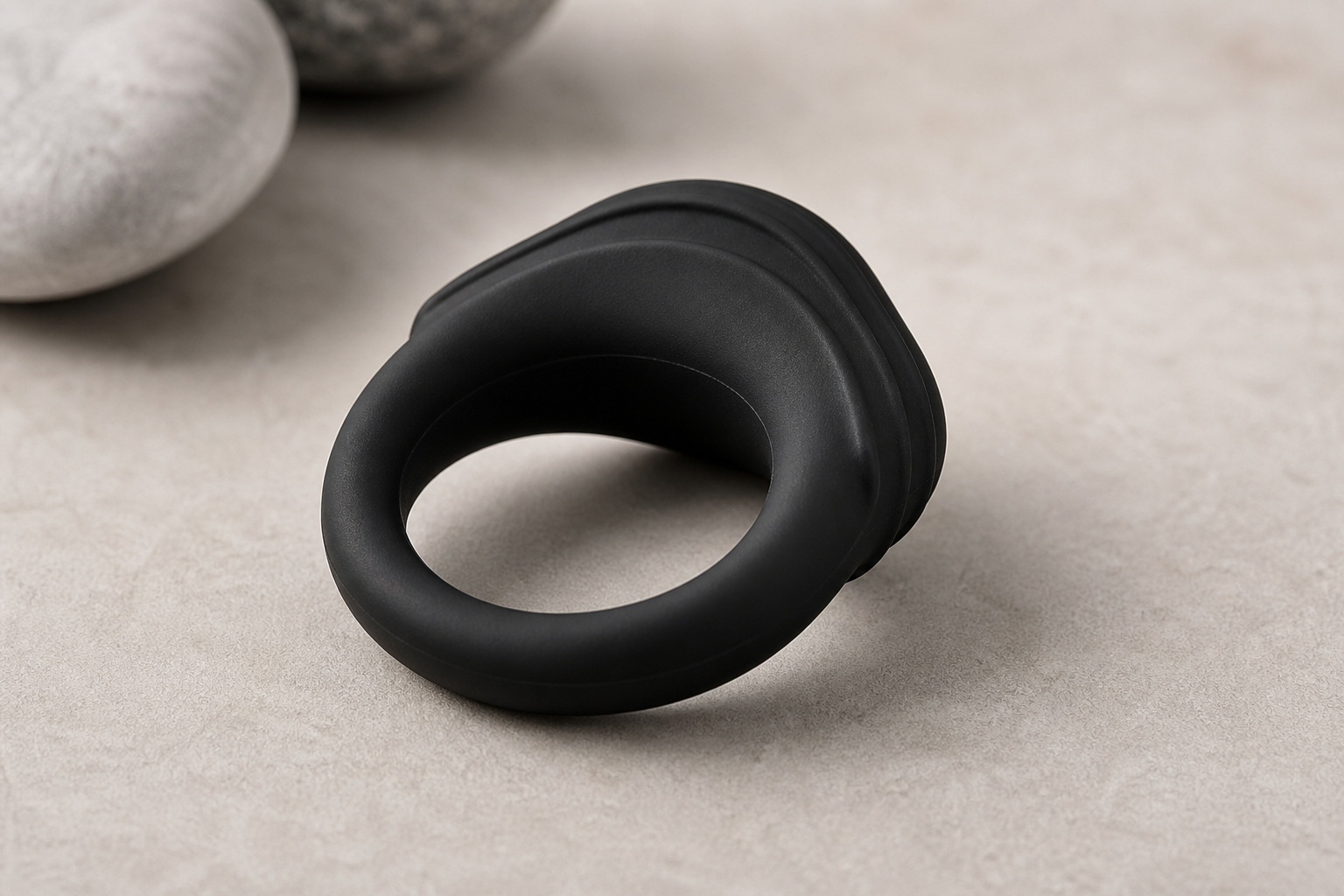
Fit and design determine whether a cock ring feels supportive or risky. Adjustable rings are easier to loosen quickly, stretchable rings give you more room for changes in erection size, and rigid rings provide the least margin for error.
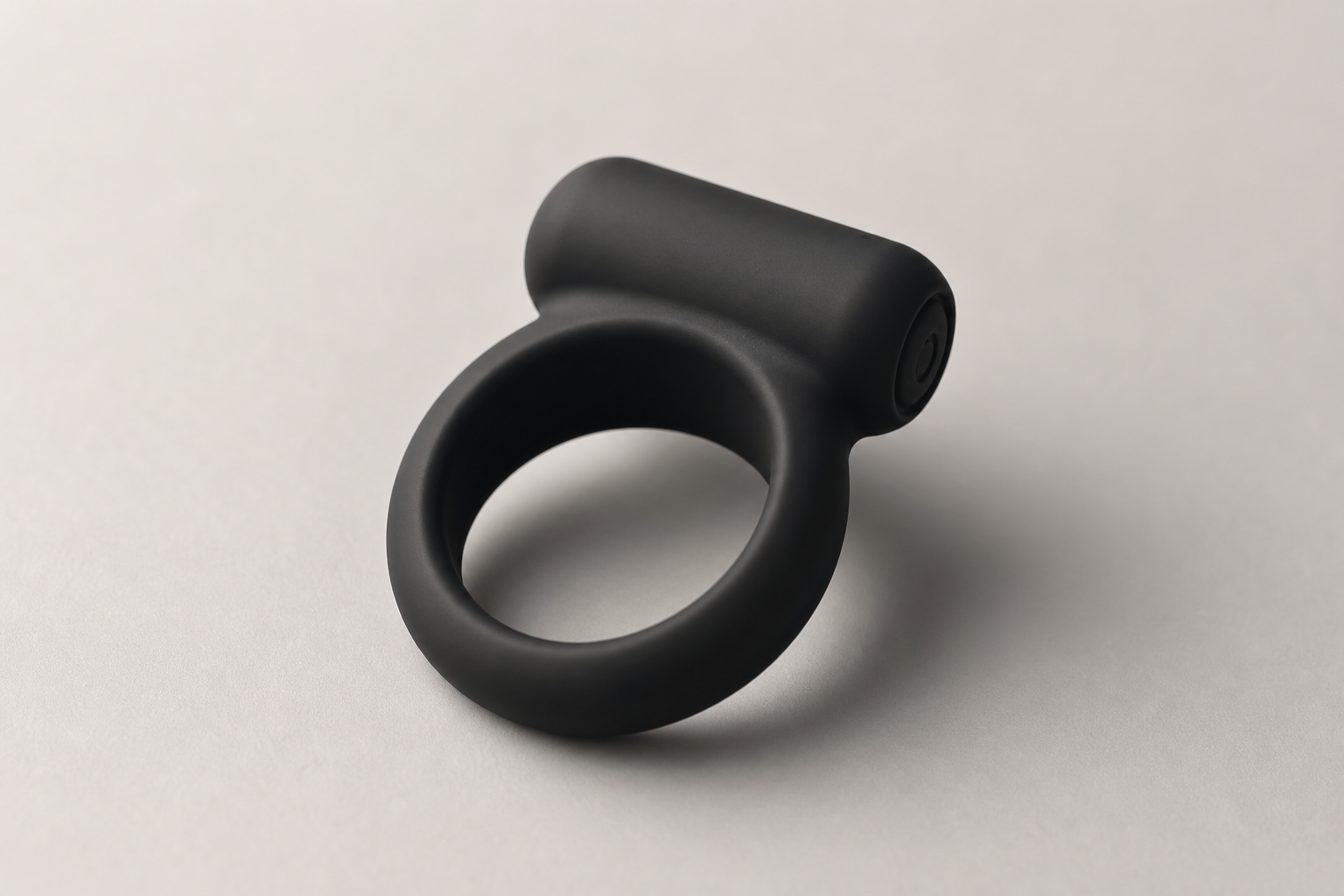
What are some potential discomforts while wearing a cock ring? The answer often depends on the design. A tight adjustable loop can pinch skin. A silicone ring that is too small can roll or pull hair. A metal ring may feel smooth but become difficult to remove if swelling starts. Vibrating rings can add stimulation, but they can also cause overstimulation, numbness, or irritation if pressed tightly against the clitoris, penis, or perineum for too long.
| Material or design | Comfort pros | Main risks | Cleaning notes |
|---|---|---|---|
| Silicone | Flexible, beginner-friendly, usually smooth | Can pull hair or feel too tight if undersized | Wash with mild soap and water; dry fully |
| Metal | Smooth, firm pressure, durable | No stretch; higher removal difficulty if swelling occurs | Clean thoroughly; inspect for rough edges or corrosion |
| Leather | Adjustable and softer than metal | Porous; harder to sanitize | Avoid sharing; follow product-specific care |
| Rubber | Stretchy and inexpensive | May contain irritating additives; can degrade | Check for tackiness, cracks, or odor |
| Vibrating rings | Added stimulation for partners | Overstimulation, numbness, friction | Remove batteries if needed; clean around motor area |
| Double rings | Pressure around penis and scrotum | More pulling, pinching, testicular ache | Clean hinges, seams, and textured areas |
| Adjustable loops | Easy to loosen, good for beginners | Can pinch if tightened unevenly | Wash straps and sliders carefully |
For sizing, measure when erect, start larger rather than smaller, and avoid any ring that requires force. A beginner-friendly ring should have a quick-release feature or enough stretch to remove easily with lubricant. As a practical rule, if a ring feels painful within the first to minutes, it is not the right fit, material, or position.
Safer Cock Ring Use: A Step-by-Step Comfort Checklist
The safest cock ring routine is planned before arousal is high. Once you’re highly aroused, it’s easier to ignore early warning signs or keep going because the pressure feels intense. A simple checklist prevents most avoidable discomfort.
In 2026, we recommend this step-by-step approach:
- Inspect your skin first. Do not use a ring over cuts, rashes, swelling, sores, or irritated hair follicles.
- Choose the right ring. Beginners should pick silicone or adjustable designs with quick removal.
- Apply lubricant. Use a plain water-based lubricant on the ring and skin.
- Set a timer. Start with to minutes; avoid exceeding to minutes.
- Monitor sensation. Check warmth, color, pressure, and feeling in the glans and scrotum.
- Communicate with your partner. Agree on a stop word, stop signal, or simple check-in question.
- Remove slowly. Add lubricant again if the ring drags or catches hair.
- Clean and store it. Wash, dry fully, and store separately from other toys.
What are some potential discomforts while wearing a cock ring? Many come from skipped safety steps: no lubricant, no timer, intoxication, numbing cream, or combining the ring with a penis pump. Alcohol and drugs can reduce judgment and delay removal. Numbing creams are especially risky because they can hide pain, which is one of the body’s main warning signals.
Never sleep while wearing a cock ring. Sleep removes your ability to monitor color, coldness, numbness, or swelling. Also avoid using cock rings with pressure-increasing devices unless a qualified clinician has told you how to do it safely.
When to Remove a Cock Ring Immediately or Get Medical Help
Remove a cock ring immediately if you feel sharp pain, numbness, coldness, blue or purple skin, swelling, inability to urinate, dizziness, severe testicular pain, or difficulty sliding the ring off. These symptoms suggest the ring is no longer just adding pressure; it may be interfering with circulation, nerves, or tissue safety.
Emergency situations include an erection lasting more than 4 hours, a trapped ring with swelling, severe bruising, suspected penile injury, or sudden testicular pain with nausea. Cleveland Clinic and MedlinePlus both describe prolonged erections and circulation problems as situations that can require urgent care. Urologic emergency literature also treats penile strangulation as time-sensitive because swelling can worsen quickly once a rigid object traps tissue.
Use safe removal steps first:
- Stop sex, masturbation, and stimulation.
- Breathe slowly and let arousal decrease.
- Apply plenty of lubricant around the ring.
- Try a cool shower to reduce erection and swelling.
- Elevate the pelvis if comfortable.
- Slide the ring off gently without pulling aggressively.
Do not use knives, power tools, wire cutters, or improvised cutting methods at home, especially with metal rings. You can cut skin, damage blood vessels, or worsen swelling. If the ring will not come off, urgent care or an emergency department is the safer choice.
What are some potential discomforts while wearing a cock ring? The symptoms that matter most are the ones that change quickly: worsening pain, growing swelling, darker color, coldness, and loss of feeling. Those are not “wait and see” symptoms.
Conclusion: How to Use a Cock Ring More Comfortably Next Time
What are some potential discomforts while wearing a cock ring? They fall into four main groups: pressure-related problems such as tightness and coldness, skin-related issues such as chafing and rash, nerve-related symptoms such as numbness and tingling, and fit-related problems such as pinching, testicular pulling, swelling, and removal difficulty.
Your best next step is simple: choose a flexible adjustable ring, use water-based lubricant, start with to minutes, set a timer, check color and sensation, and stop at the first sign of pain. If you’re new to cock rings, avoid rigid metal designs until you understand your sizing and comfort limits.
Be especially cautious if you have diabetes, circulation problems, nerve issues, heart disease, pelvic injury, or if you take erectile dysfunction medication or blood thinners. We recommend speaking with a urologist or sexual health clinician if discomfort repeats, erections become painful, ejaculation hurts, urination changes, or symptoms continue after removal.
The practical safety takeaway is this: a cock ring should add controlled pressure and pleasure, not numbness, discoloration, swelling, or panic. If your body sends a warning sign, listen the first time.
Key Takeaways
- Cock ring discomfort usually comes from pressure, poor fit, friction, material sensitivity, or wearing the ring too long.
- Pain, numbness, coldness, blue or purple skin, swelling, or difficulty removing the ring are warning signs to stop immediately.
- Beginners should start with flexible silicone or adjustable rings, use water-based lubricant, and limit first use to to minutes.
- Rigid metal rings require accurate sizing because they do not stretch if swelling begins.
- If symptoms repeat or continue after removal, speak with a urologist or qualified sexual health clinician.
Frequently Asked Questions
Is it normal for a cock ring to feel tight?
A cock ring should feel snug, but it should not feel painful, crushing, cold, or numb. Mild pressure can be normal, while sharp pain, blue or purple color, swelling, or loss of sensation means you should remove it immediately.
How long can you safely wear a cock ring?
Many sexual health educators recommend limiting use to about to minutes, and beginners should start with to minutes. Never sleep while wearing a cock ring because you cannot monitor swelling, color, pain, or numbness.
What are some potential discomforts while wearing a cock ring?
What are some potential discomforts while wearing a cock ring? Common discomforts include tight pressure, pinching, numbness, tingling, skin irritation, testicular pulling, swelling, bruising, coldness, discoloration, and difficulty removing the ring.
What should I do if a cock ring will not come off?
Stop stimulation, apply plenty of lubricant, breathe slowly, and try a cool shower to reduce the erection. If the ring still will not slide off, or if swelling, pain, or discoloration worsens, seek urgent medical care rather than cutting it off at home.
Can a cock ring cause numbness?
Yes. Numbness or tingling can happen when the ring puts too much pressure on nerves, blood vessels, or both. Remove the ring immediately if sensation fades, and choose a larger, stretchable, or adjustable design next time.
Are metal cock rings more dangerous than silicone rings?
Metal cock rings are not automatically dangerous, but they carry more risk if the size is wrong because they do not stretch. Beginners are usually better off with silicone or adjustable rings that can be removed more easily if swelling starts.
When should cock ring pain be checked by a doctor?
Get medical help if pain is severe, keeps returning, lasts after removal, or comes with swelling, bruising, discoloration, urinary problems, or numbness. An erection lasting more than hours should be treated urgently.