
Introduction: Can cock rings help with performance anxiety?
Can cock rings help with performance anxiety? Yes, they may help some men maintain erections by slowing blood outflow from the penis, but they don’t directly treat the psychological roots of sexual performance anxiety.
If your anxiety shows up as fear of losing an erection, pressure to satisfy a partner, premature ejaculation worries, or repeated checking to see whether you’re still hard, a cock ring may reduce one part of the problem: erection firmness. It won’t erase panic, relationship stress, depression, trauma, or fear of judgment.
Based on our research, the most useful answer in is not “buy one product and hope.” More men are combining sexual wellness devices with therapy, partner communication, pelvic floor exercises, and medical evaluation. That combination matters because erectile dysfunction symptoms can come from blood flow, medication side effects, low testosterone, anxiety, or several causes at once.
Here’s the practical promise: you’ll learn how cock rings work, who may benefit, how to use one safely, when it can make anxiety worse, and when evidence-backed treatments such as CBT, sex therapy, PDE5 inhibitors, or a urology visit are a better next step.
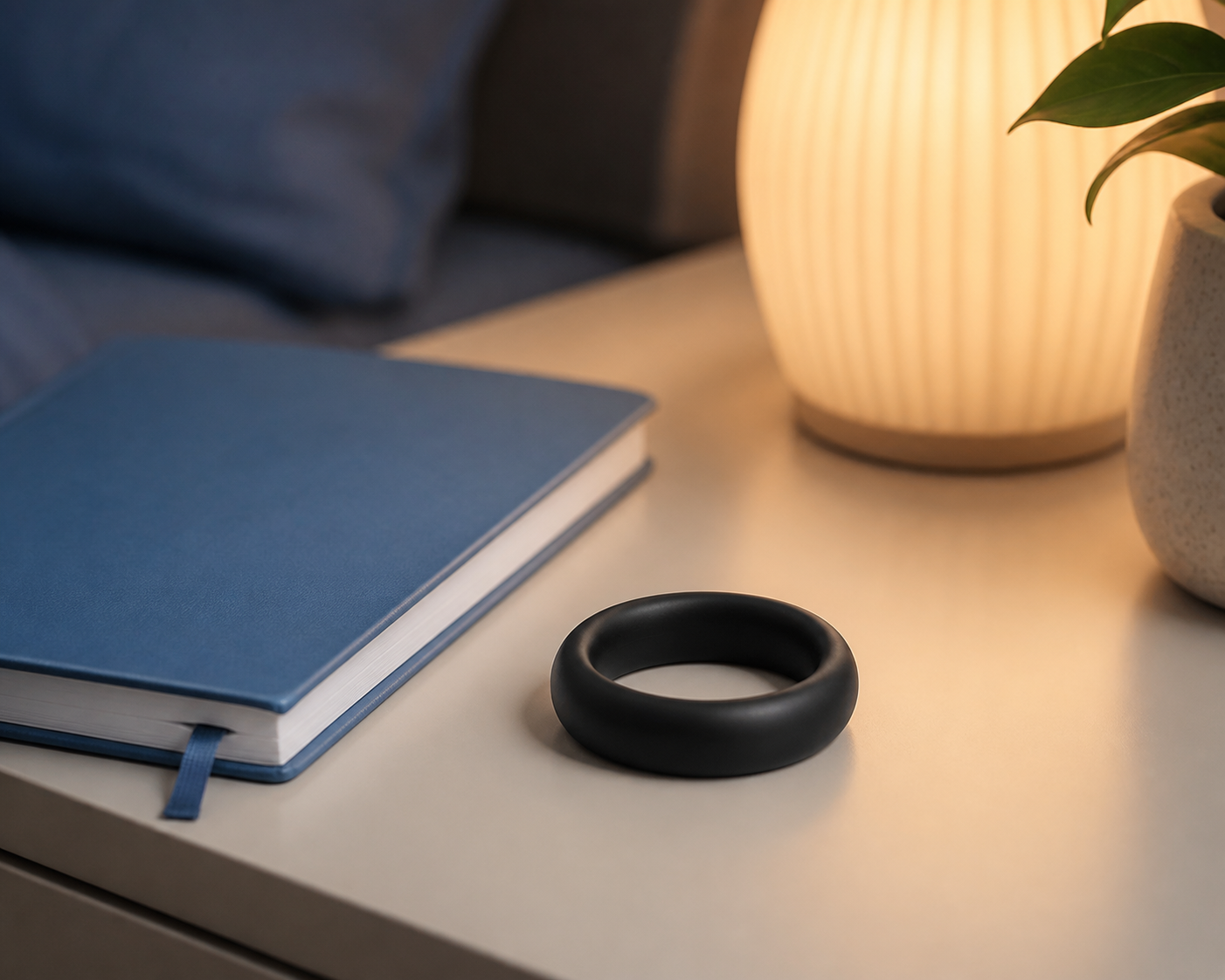
Can cock rings help with performance anxiety? The short answer
Can cock rings help with performance anxiety? They can help when the main fear is losing an erection after arousal has already started. A cock ring is a sexual device worn around the base of the penis, and sometimes around the penis and scrotum, to help trap blood in erectile tissue once you’re turned on.
The realistic benefit is mechanical. By supporting erection firmness and erection duration, a ring may reduce the fear spiral: “What if I go soft?” That matters because the Cleveland Clinic notes that erectile dysfunction can involve physical, emotional, and relationship factors, not just one simple cause.
The limitation is just as important. If performance anxiety is driven by panic attacks, unresolved conflict, shame, trauma, pornography-related expectations, depression, or fear of being judged, a ring won’t treat the source. It may help the erection while leaving the anxiety untouched.
Use this decision framework:
- Try a beginner ring if erections start normally but fade too quickly during condoms, penetration, or position changes.
- Talk to a clinician if erections are consistently difficult, painful, or suddenly different.
- Consider therapy if avoidance, panic, or relationship conflict is the main pattern.
We recommend treating a cock ring as a support tool, not a diagnosis or a cure.
How performance anxiety affects erections, ejaculation, and confidence
Can cock rings help with performance anxiety? To answer that well, you need to understand what anxiety does to the body. Sexual arousal depends on relaxation, nitric oxide release, healthy blood flow, and signals that allow the corpora cavernosa—the main erectile tissue—to fill with blood. Anxiety pushes your body in the opposite direction.
When the sympathetic nervous system turns on, adrenaline rises, muscles tighten, breathing gets shallow, and your attention shifts from pleasure to monitoring. You may start watching your erection like a test score. That self-monitoring can interfere with arousal, blood pressure regulation, and the relaxation needed for an erection to stay firm.
Common symptoms include difficulty getting hard, losing an erection after penetration, premature ejaculation, delayed ejaculation, low libido, avoiding sex, and fear of disappointing a partner. The National Institute of Diabetes and Digestive and Kidney Diseases estimates that about million men in the United States are affected by erectile dysfunction. Research also shows ED becomes more common with age, affecting roughly 40% of men at age and nearly 70% by age in the Massachusetts Male Aging Study.
Here’s a useful real-world distinction. If you get reliable erections during masturbation but lose them with a partner, anxiety, relationship stress, condom worries, or self-esteem may be central. If you’ve lost morning erections, have diabetes, high blood pressure, take antidepressants, or notice a sudden change, vascular disease, medication effects, testosterone issues, or another medical factor deserves attention.
How cock rings work: blood flow, pressure, and erection support
Can cock rings help with performance anxiety? They may help by changing the mechanics of blood flow. During arousal, blood fills the corpora cavernosa. A cock ring applies gentle constriction near the base of the penis to reduce venous outflow, which means blood leaves the erectile tissue more slowly.
A cock ring does not create desire, arousal, or nitric oxide release on its own. You still need stimulation, relaxation, adequate circulation, and interest in sex. That’s why a ring differs from a penis pump, ED medication, or topical delay spray. A pump draws blood into the penis using vacuum pressure. Sildenafil and tadalafil, described by Mayo Clinic, support blood-flow signaling through PDE5 inhibition. Delay sprays reduce penile sensitivity to help with premature ejaculation.
Placement also matters. Some rings sit around the penis only. Others go around both the penis and testicles. Vibrating cock rings can stimulate a partner’s clitoris during penetration, which may reduce pressure on the penis as the only source of pleasure.
| Type | Beginner-friendly? | Best use case | Safety notes |
|---|---|---|---|
| Adjustable silicone | High | First trials, anxiety-sensitive users | Easy to loosen quickly |
| Stretch silicone | Medium | Mild firmness support | Size carefully; stretch varies |
| Vibrating ring | High | Shared stimulation | Clean battery area as directed |
| Leather or lasso style | Medium | Adjustable pressure | Check snaps, seams, and hygiene |
| Rigid metal | Low | Experienced users only | Harder to remove if swelling occurs |
In our experience, comfort and easy removal matter more than intensity, especially for a first attempt.
7 situations where a cock ring may improve sexual confidence
Can cock rings help with performance anxiety? They’re most useful when anxiety is tied to mild or situational erection loss, not when severe erectile dysfunction or intense panic is driving the problem. We found the best results happen when a man can already become aroused but loses firmness at predictable moments.
- Erections fade during condom use. A ring may help maintain firmness while you pause, open the wrapper, and roll on the condom.
- You soften during position changes. The extra support can make transitions feel less like a high-pressure test.
- One bad experience created fear. Visible firmness can create a positive feedback loop: less fear, less self-monitoring, more pleasure.
- Alcohol caused mild erection loss. Alcohol affects erection quality; even 2–3 drinks can reduce arousal and sensitivity for some men.
- You want more firmness after arousal begins. A ring can support what’s already happening physically.
- Your partner enjoys clitoral stimulation. A vibrating ring can add pleasure during penetration, reducing pressure on thrusting alone.
- You’re rebuilding confidence after a dry spell. Short, low-pressure practice can make sex feel less all-or-nothing.
Realistic boundaries matter. Cock rings are less likely to help severe ED, nerve damage, uncontrolled diabetes, major depression, or panic symptoms that make sex feel unsafe. We recommend first trying a soft, adjustable silicone cock ring for 5–10 minutes during solo use before using one with a partner.
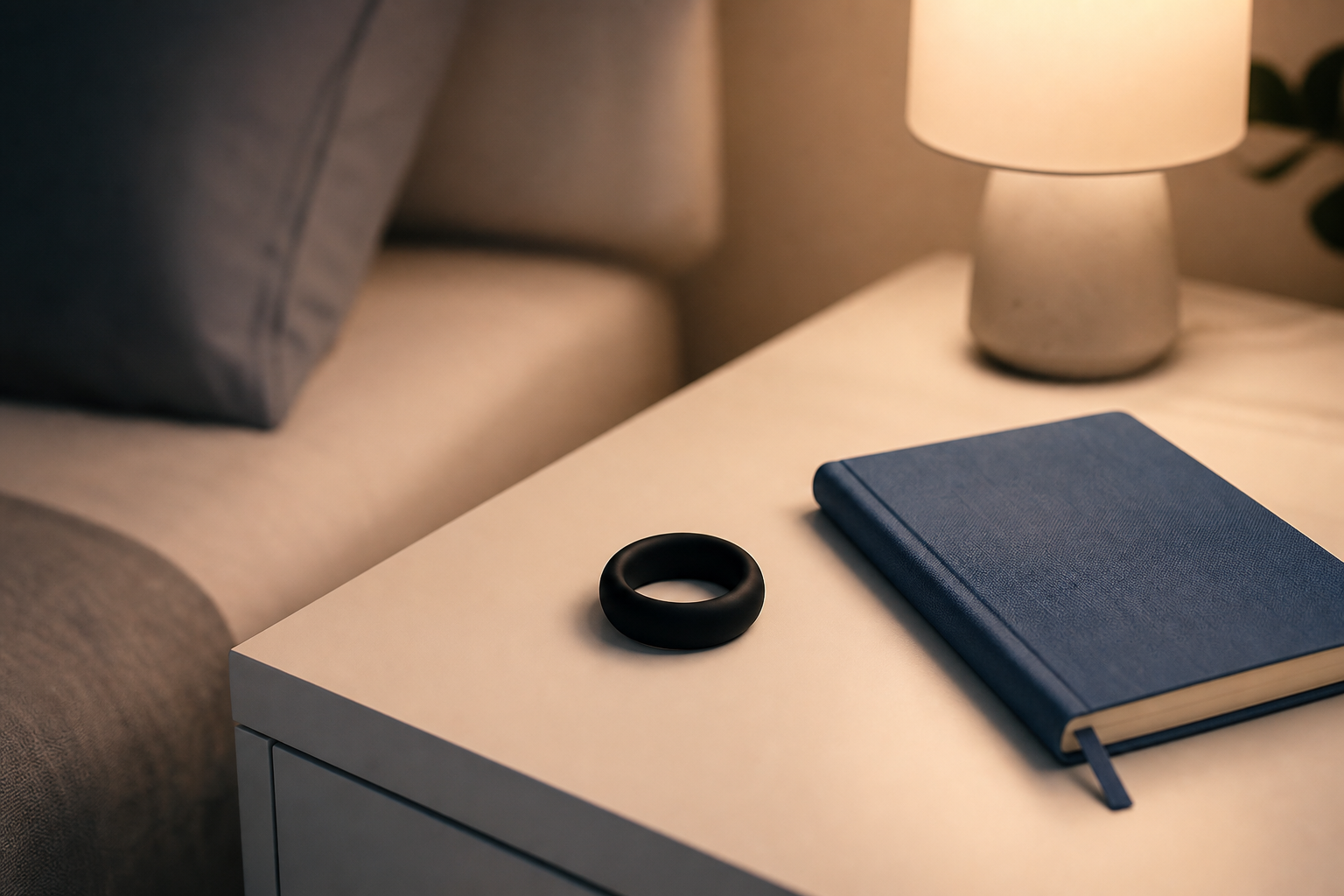
When cock rings can make performance anxiety worse
Can cock rings help with performance anxiety? Sometimes they do the opposite. If you’re already anxious about your body, a device can become one more thing to worry about: Is it too tight? How long has it been on? What if I can’t remove it? What does my partner think?
Competitors often miss these triggers, but they’re common in real life. Discomfort, fear of injury, time limits, partner surprise, trouble removing the ring, and unrealistic expectations from adult content can all increase performance pressure. If your mind turns the ring into another test, it may reinforce the same anxiety loop you’re trying to escape.
There’s also a psychological dependency risk. A man may start thinking, “I can’t have sex without this.” That belief can lower confidence when the ring isn’t available and make natural arousal feel unreliable, even when the body is capable.
Remove the ring immediately if you notice numbness, cold skin, blue or purple color change, sharp pain, tingling, swelling, bruising, or uncomfortable ejaculation. These are signs the fit, pressure, or duration is wrong.
Talk to your partner before sex. Try: “I’d like to use this as a pleasure aid, not because anything is wrong. If either of us feels uncomfortable, we stop.” Anxiety-sensitive beginners should avoid rigid metal rings until they understand sizing, lubrication, removal, and their body’s response.
How to use a cock ring safely for performance anxiety
Can cock rings help with performance anxiety? Only if they’re used safely and comfortably. A ring that’s too loose won’t do much; one that’s too tight can restrict circulation and increase the risk of pain, swelling, bruising, or tissue injury.
Many sexual health educators recommend keeping cock ring use under 20–30 minutes, especially for beginners. For an anxiety-focused first trial, shorter is better. We recommend 5–10 minutes solo, then 10–15 minutes with a partner only if the first test feels easy.
- Choose beginner-safe material. Start with body-safe silicone or an adjustable lasso-style ring. Avoid rigid metal at first.
- Measure correctly. Measure around the base of the penis when semi-erect. If using a penis-and-testicles style, measure that area separately.
- Use water-based lubricant. Apply a small amount to reduce pulling and help removal.
- Put it on when semi-erect. Don’t force it over a fully rigid erection.
- Start short. Set a timer for minutes so you’re not mentally tracking every second.
- Monitor sensation and color. Warm, normal skin tone is reassuring; numbness or discoloration is not.
- Remove before discomfort starts. Don’t wait until pain appears.
Clean the ring before and after use. Follow manufacturer instructions, avoid sharing without condoms or proper sanitation, and check for cracks, sticky texture, weakened seams, or degraded material. TPE can be softer but more porous than silicone, while stainless steel is durable but unforgiving if swelling occurs.
Who should avoid cock rings or talk to a doctor first
Can cock rings help with performance anxiety? Not safely for everyone. You should talk to a doctor first if you have diabetes, peripheral vascular disease, blood clotting disorders, sickle cell disease, Peyronie’s disease, penile pain, numbness, recent pelvic surgery, a history of priapism, or use blood thinners.
Erectile problems also need medical evaluation when they’re sudden, persistent, or paired with other symptoms. The American Urological Association states that ED can be a marker of underlying cardiovascular disease. Some studies have found men with ED have a significantly higher risk of future cardiovascular events, especially when ED appears before obvious heart symptoms.
Book a primary care or urology appointment if you notice loss of morning erections, chest pain, shortness of breath, low testosterone symptoms such as low energy and reduced libido, or ED that persists for more than three months. Medication matters too: nitrates, some blood pressure medications, antidepressants, finasteride, opioids, and recreational drugs can affect erections and anxiety.
Remove the ring immediately if there is pain, numbness, severe swelling, discoloration, or inability to remove it. If symptoms don’t resolve quickly after removal, seek urgent care. A cock ring should never feel like a medical emergency waiting to happen.
Cock rings vs therapy, ED medication, and other performance anxiety tools
Can cock rings help with performance anxiety? They can be useful, but they’re only one tool. Performance anxiety often responds best to combined strategies that reduce pressure, improve body awareness, support erection mechanics, and build partner trust.
Cognitive behavioral therapy can help you challenge catastrophic thoughts such as “If I lose my erection, my partner will leave.” Sex therapy often uses sensate focus exercises, where you and your partner remove the goal of penetration or orgasm and rebuild pleasure through touch. Mindfulness-based techniques and slow breathing can lower sympathetic nervous system arousal, while couples counseling addresses resentment, silence, or conflict that shows up in bed.
Medical tools have a different role. PDE5 inhibitors such as Viagra and Cialis can help blood-flow issues when prescribed safely. Penis pumps mechanically draw blood into the penis. Pelvic floor training may help some men with ejaculatory control and erection rigidity, especially when done correctly over 8–12 weeks.
Use this matching guide:
- Cock ring: mild erection loss after arousal begins.
- Therapy or CBT: fear, avoidance, panic, shame, or self-monitoring.
- ED medication: blood-flow problems or medically confirmed erectile dysfunction.
- Couples counseling: communication problems, pressure, conflict, or mistrust.
- Pelvic floor exercises: ejaculatory control and awareness of pelvic tension.
As of 2026, telehealth urology and online sex therapy options make it easier to get help without waiting months for an in-person appointment.
How to talk to a partner about using a cock ring
Can cock rings help with performance anxiety? They’re more likely to help when your partner understands the purpose before sex starts. Springing it on someone during a tense moment can make both people feel confused, pressured, or worried.
Frame the ring as shared pleasure, not proof of failure. You might say: “I get in my head sometimes, and I’d like to try this as a way to stay relaxed and make things feel better for both of us.” Another option: “I’m curious about using a vibrating ring because it could feel good for you too. We can stop anytime.”
Discuss it before sex, ideally when you’re relaxed and clothed. Cover the practical questions your partner may have: Is it safe? Will it hurt? How do we clean it? Does this mean you’re not attracted to me? What happens if either of us wants to stop?
A simple plan works best:
- Explain the reason without blaming yourself or your partner.
- Show the ring and explain how it comes off.
- Agree on a stop signal that ends the experiment immediately.
- Try it during foreplay or mutual masturbation first before relying on it during penetrative sex.
In our experience, the conversation itself often reduces anxiety because it replaces guessing with consent, teamwork, and realistic expectations.
A practical 2-week plan to test whether a cock ring helps
Can cock rings help with performance anxiety? A structured trial gives you a better answer than guessing after one awkward night. The goal is to separate product usefulness from anxiety, alcohol, partner tension, and unrealistic expectations.
Week one: solo practice. Use a soft adjustable silicone ring during masturbation for 5–10 minutes. Avoid alcohol-heavy testing because alcohol can worsen erection quality and make sensation harder to judge. Track erection firmness, erection duration, anxiety level from 1–10, comfort, orgasm quality, and any side effects such as numbness or skin color change.
Week two: partnered use, only if comfortable. Talk beforehand, use water-based lubricant, and keep the first partnered session to 10–15 minutes. Don’t make penetration the only goal. Try foreplay, mutual masturbation, or a vibrating ring for shared stimulation so the test feels playful rather than clinical.
Use this decision point after two weeks:
- Continue occasional use if it improves confidence, feels comfortable, and doesn’t become mandatory.
- Stop if it increases worry, causes pain, creates dependency, or distracts you from pleasure.
- Escalate care if results are poor: book a primary care visit or urology appointment, screen for anxiety, review medications, consider sex therapy, and discuss ED treatment options.
We analyzed the most common failure pattern: men test a ring during a high-pressure encounter, drink too much, skip communication, then blame themselves. A two-week plan gives you cleaner information and fewer surprises.
Conclusion: what to do next if performance anxiety is affecting sex
Can cock rings help with performance anxiety? Yes, when the anxiety centers on losing an erection after arousal begins. They work best as one tool among communication, relaxation, medical care, and evidence-based anxiety treatment—not as a magic fix for every sexual concern.
Your next steps are straightforward. Choose a soft, adjustable beginner ring. Practice alone first. Use water-based lubricant. Keep early sessions short. Talk to your partner before sex. Track whether the ring actually lowers anxiety or simply gives you one more thing to worry about.
If you have persistent erectile dysfunction, pain, numbness, sudden changes, loss of morning erections, or major anxiety that leads to avoidance, don’t keep shopping for devices instead of getting help. A clinician can screen for blood pressure issues, diabetes, medication effects, testosterone problems, depression, and anxiety. A sex therapist can help you rebuild confidence without turning sex into a pass-fail event.
The goal isn’t perfect performance. It’s safer, more relaxed, more connected sex with tools that match the real cause of the problem. When you treat the body and the mind together, sex has a much better chance of feeling human again.
Key Takeaways
- Cock rings may help performance anxiety when the main issue is losing erection firmness after arousal begins.
- They do not treat the psychological roots of anxiety, including panic, shame, trauma, depression, or relationship stress.
- Beginners should choose a soft adjustable silicone ring, use lubricant, start with 5–10 minute solo trials, and avoid rigid metal rings.
- Pain, numbness, swelling, discoloration, or trouble removing the ring means you should stop immediately and seek care if symptoms persist.
- Persistent or sudden erectile problems deserve medical evaluation, and many men do best with a mix of communication, therapy, medical care, and practical tools.
Frequently Asked Questions
Can cock rings help with performance anxiety?
Can cock rings help with performance anxiety? They may help if your anxiety is mainly about losing an erection after you’re already aroused. They don’t treat deeper causes such as panic, trauma, depression, or relationship conflict.
How long can you safely wear a cock ring?
Many sexual health educators recommend staying under 20–30 minutes, especially if you’re new to cock rings. Start with 5–10 minutes and remove it immediately if you feel pain, numbness, tingling, swelling, or discoloration.
What type of cock ring is best for beginners with anxiety?
A soft, adjustable silicone ring is usually the best beginner choice because it’s flexible and easier to remove quickly. Avoid rigid metal rings until you understand sizing, lubrication, and how your body responds.
Can a cock ring cure erectile dysfunction?
No. A cock ring may support erection firmness, but it does not cure erectile dysfunction or diagnose its cause. Persistent ED should be evaluated by a healthcare professional, especially if it lasts more than three months or appears suddenly.
Can cock rings make anxiety worse?
Yes, they can make anxiety worse if you worry about injury, time limits, removal, partner judgment, or becoming dependent on the device. If the ring makes you monitor your erection even more, therapy or a lower-pressure intimacy plan may be more helpful.
Should I tell my partner before using a cock ring?
Yes. Talk about it before sex, frame it as a shared pleasure aid, and agree that either person can stop at any time. Clear communication reduces surprise, pressure, and misunderstanding.