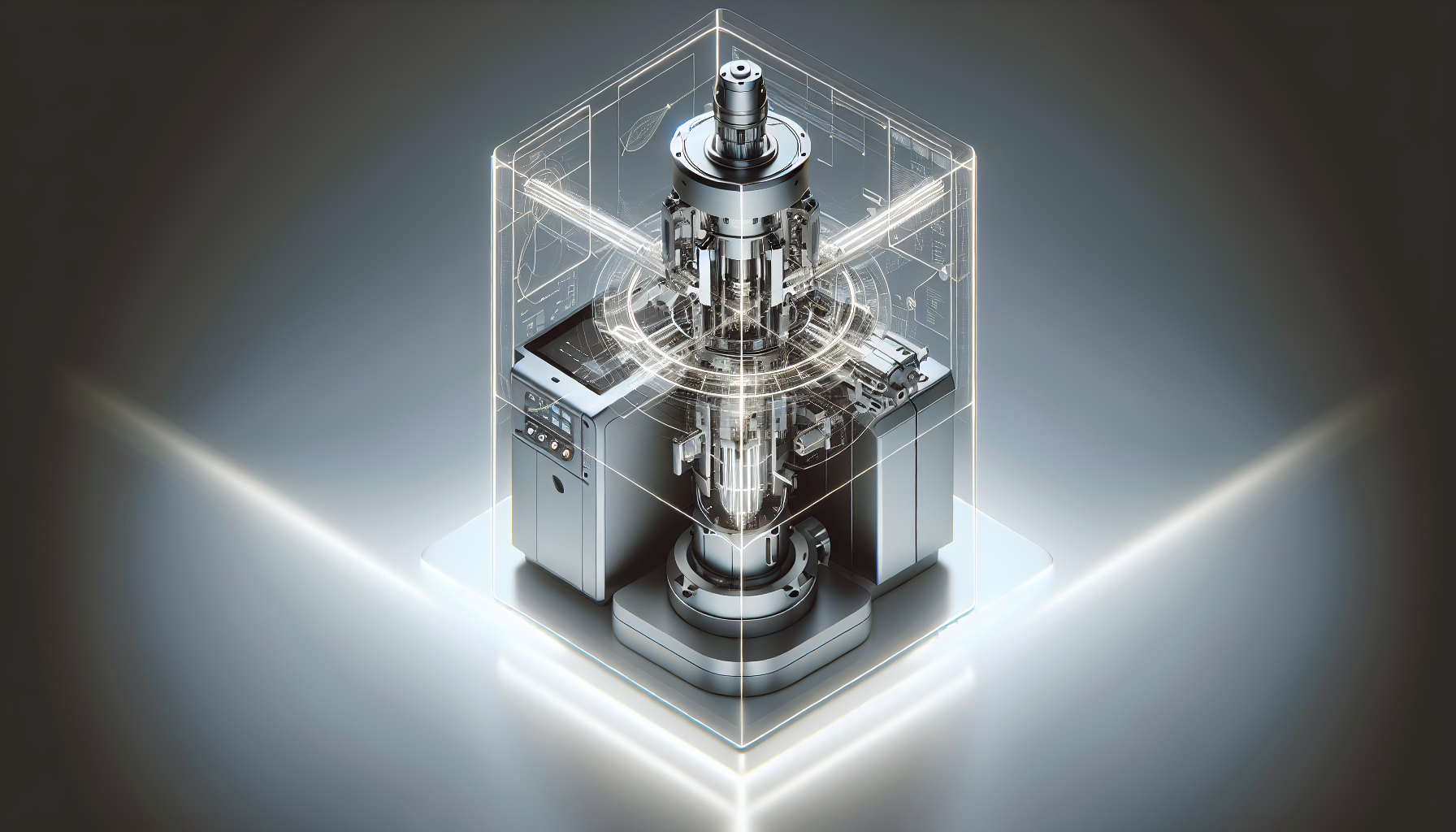
Have you ever found yourself wondering just how noisy a penis pump might be during operation? It's a question that not only piques curiosity but is also rather practical. Whether you're considering privacy in a shared living space or hoping to maintain discretion in other environments, understanding the noise level of these devices can be essential. In the following pages, we will explore not just the potential noise factors of penis pumps, but also a variety of related considerations to help you make an informed choice.
Understanding Penis Pumps
Before we jump into the auditory landscape of penis pumps, it’s worthwhile to lay down some foundational knowledge about what these devices are and how they function. A penis pump is essentially a device used primarily to help men with erectile dysfunction (ED). By creating a vacuum around the penis, it increases blood flow, helping to achieve and maintain an erection.
How Do Penis Pumps Work?
To make sure we're all on the same page, let's explore how penis pumps function. Fundamentally, a penis pump is comprised of a tube and a pump mechanism. You place the tube over the penis, and use the pump to create a vacuum that draws blood into the penis. After removing the pump, you can maintain the erection using a constriction band placed at the base.
Types of Penis Pumps
When pondering the potential noise level, it's important to recognize that there are different types of penis pumps, each with its own characteristics, including noise. Generally, penis pumps come in two main types: manual and electric.
-
Manual Pumps: These involve hand-powered mechanisms, typically using a bulb or a trigger handle. While they may produce some noise (think faint squeaks or squishy sounds), they tend not to be very intrusive.
-
Electric Pumps: These require battery power or a plug-in electric system, and often feature a small motor. As you might anticipate, motors typically generate more noise than manual options.
The Noise Factor
Now, onto the heart of the matter: noise. The noise that a device makes is often a critical factor in choosing an appliance, and penis pumps are no different. Understanding the noise potential of these devices involves considering both the type of pump and the environment where it will be used.
Factors Influencing Noise Levels
1. Pump Type
As briefly mentioned, the type of pump can drastically affect the noise level. Manual pumps, by nature, are typically quieter because they rely on physical energy rather than motors. While they might make some mechanical noise, this is usually subdued. Electric pumps, on the other hand, house a small motor that propels the mechanism. This motor can generate a surprising amount of noise compared to manual options.
2. Environment
The acoustics of the room can play a significant role. For example, a tiled bathroom could amplify noise, while a carpeted bedroom may muffle it. Just like how shouting in a canyon creates a more dramatic echo than in a small closet, the surroundings can either amplify or dampen sound.
3. User Operation Technique
Let’s not overlook the human element. The way you use the pump can contribute to how noisy it might be. A steady, consistent use is likely to be quieter than hurried, erratic maneuvers.

Measuring Noise Levels
Sound in Decibels
Noise levels are often measured in decibels (dB). For reference, a whisper measures about 30 dB, normal conversation around 60 dB, and a lawnmower about 90 dB. While specific noise levels of penis pumps are not commonly published due to variability, understanding decibels can help frame general expectations.
| Noise Source | Decibel Level |
|---|---|
| Whisper | 30 dB |
| Normal Conversation | 60 dB |
| Electric Penis Pump | Estimated 50-70 dB |
| Manual Penis Pump | Estimated 30-50 dB |
| Lawnmower | 90 dB |
Real-World Comparisons
Imagine the hum of a microwave or the purr of a dishwasher. These are fairly relatable household noises that offer good comparisons for understanding the potential noise of an electric penis pump, which is often comparable in decibel levels. Manual pumps are closer to a whisper or the sound of rustling pages, offering more discreet operation.
User Experiences and Testimonials
Mixed Reviews
The subjective experience of noise can vary widely, and so does its perception from one user to another. Many users of manual pumps report minimal noise, often describing it akin to the creaking of leather or the rustling of leaves—sounds that become part of the background.
Electric pump users provide mixed feedback. Some mention that while the pumps do emit a motorized hum, the noise becomes just part of the routine backdrop, much like the air conditioner or washing machine. Yet, some individuals are sensitive to noise levels and find any auditory output less than ideal.
Privacy Considerations
For those seeking privacy, noise can be a significant concern. Users living with others, like roommates or family, often mention that even moderate noise can be a deterrent. Here, the choice of a manual pump becomes appealing due to its quieter operation.
Tips for Minimizing Noise
Select the Right Pump
Sometimes the most straightforward solution is selecting a pump that's inherently quieter. Manual pumps will typically be less noisy than electric ones, so if stealth is key, this may be the first change to consider.
Operational Technique
Gently and consistently managing the pump can often result in reduced noise. Rapid or forceful actions may produce additional sounds that are otherwise avoidable.
Use Cushions or Soft Surfaces
Placing a soft towel or cushioning surface under the pump may help absorb vibrations and reduce noise further.
Consider Ambient Noise
Operating the pump while a low-level ambient noise like a fan or background music is present can also mask minor operational sounds, maintaining discretion while still achieving your desired results.
Psychological Aspect
Comfort & Anxiety
A considerable part of the experience with any medical or wellness device extends beyond its technical functionality to its psychological impact. The anticipation of a device being noisy can create unnecessary anxiety, which, in turn, might affect overall performance or satisfaction.
Acceptance and Routine
Over time, familiarity with the device often leads to increased comfort. Users tend to adapt quickly to the noise level, integrating it as part of their everyday routine, much like one acclimates to the hum of an office printer or the clicking of a keyboard.
Pros and Cons: A Balanced View
To make an informed decision, let’s balance the pros and cons of both manual and electric pumps, considering noise as well as other important factors.
| Criteria | Manual Pump | Electric Pump |
|---|---|---|
| Noise Level | Lower | Higher |
| Ease of Use | Requires manual effort | Simple operation with minimal physical effort |
| Discretion | More Discreet | Less Discreet |
| Portability | Highly portable, no need for power source | Bulky, requires batteries or power |
Manual pumps, while quieter, require more effort in terms of operation. Electric pumps offer ease of use, but their noise levels might necessitate additional considerations, especially in shared living environments.
Conclusion
Ultimately, the question, “Are penis pumps noisy during operation?” is best answered with a nuanced understanding. The level of noise produced can vary depending on the type of pump, the environment, and personal sensitivity to sound. Manual pumps generally tend to be quieter, while electric pumps may have a noticeable noise due to their motorized parts. However, the noise from these devices generally does not go beyond what one might consider regular household background noise.
While the noise factor is an important consideration, it should be balanced with other factors such as ease of use, efficacy, and comfort. Approaching this decision with a holistic view allows you to select a pump that aligns with your personal preferences and living environment. After all, understanding the full context allows for a more fulfilling and less stressful experience.