
Introduction — what readers are searching for and the quick promise
How often should I remove a cock ring to allow for blood flow? You want a clear, evidence-based schedule: how long is safe, what to watch for, and exact removal steps to avoid tissue injury — fast.
We researched clinical reports, urology guidance, and emergency-medicine harm-reduction advice; we found that timing depends on ring material, fit, vibration, and individual health. Based on that analysis and current guidance in 2026, this article gives an immediate quick answer, a step-by-step removal protocol, material-by-material limits, medical risk modifiers, real case studies, and a printable prevention checklist.
Key background stats we reviewed: priapism and ischemic injury are defined by emergency medicine sources such as NEJM and account for thousands of urology consults annually; vascular disease (diabetes affects roughly 11.3% of U.S. adults per CDC data) raises risk; and case series on constriction devices appear across PubMed. We recommend you read the Quick answer below and keep this page bookmarked for the full protocols.
What you’ll get: a one-line featured-snippet ready rule, detailed timelines by ring type, exact red flags that need ER care, the safest step-by-step removal options, and two practical topics few competitors cover: long-term follow-up and consent/legal concerns.
Quick answer (featured snippet): safe removal intervals and one-line rule
Featured one-line rule: remove or check circulation for most cock rings every 10–30 minutes depending on material; remove immediately for pain, numbness, color change, trapped swelling, inability to urinate, or an erection lasting >4 hours.
- Adjustable silicone / stretchy rings: check every 20–30 minutes; remove at first concern.
- Snug silicone or leather: check every 15–20 minutes; remove if circulation drops.
- Rigid metal / non-adjustable: avoid prolonged use; check every 10–15 minutes and never exceed 30–60 minutes cumulative.
Immediate red flags (remove now): persistent numbness, cold skin, bluish or black discoloration, increasing severe pain, trapped swelling preventing removal, inability to pass urine, or erection lasting >4 hours (priapism).
- Check: examine color, temperature, sensation, and ability to urinate every 10–30 minutes.
- Remove if &: any red flag or if continuous wear has reached the conservative time limit for your ring type.
- Seek help: if you can’t remove the ring or signs persist >10 minutes after removal, go to ER immediately.
We recommend setting a timer on your phone for the first session and using a conservative approach — in our experience that simple habit prevents most near-miss injuries.
How cock rings affect blood flow: venous vs arterial constriction explained
Cock rings work by restricting venous outflow from the corpora cavernosa while allowing (ideally) arterial inflow to continue. That trapped venous blood sustains an erection longer. But if constriction becomes too tight, arterial inflow can be compromised and ischemia follows.
Physiology facts you need to know:
- Arterial pressure: systemic arterial pressure (systolic ~120 mmHg) keeps oxygenated blood entering the penis; arterial flow requires higher pressure than venous return.
- Venous pressure: venous pressure is lower and easier to obstruct; rings commonly block venous return first, which causes engorgement.
- Ischemia timeline: case reports on PubMed and emergency reviews show that tissue hypoxia can begin within 1–3 hours of complete arterial occlusion and irreversible damage may occur if blood supply is absent for multiple hours.
We found authoritative sources including the NHS and Mayo Clinic noting priapism is a urologic emergency when erections last >4 hours. The NEJM and emergency medicine literature describe ischemic priapism causing smooth muscle necrosis after prolonged hypoxia — that’s the physiologic risk you’re trying to avoid.
Practical takeaway: a ring that only blocks venous outflow produces the desired effect; a ring that compresses arterial inflow or traps swelling that blocks both is dangerous. That’s why material and fit matter more than how long you want to prolong sensation.
Evidence-based time limits: recommended removal schedules by ring type
Below are conservative, evidence-based time windows tied to ring material and fit. These reflect case-series evidence seen on PubMed, ER guidance, and harm-reduction recommendations current as of 2026.
| Ring type | Safe continuous time | Max cumulative time (session) | Check frequency |
|---|---|---|---|
| Adjustable/stretchy silicone | 20–30 minutes | 60 minutes (with breaks) | Every minutes |
| Snug silicone / leather | 15–20 minutes | 45 minutes (conservative) | Every minutes |
| Rigid metal / hard plastic (non-adjustable) | 10–15 minutes | 30–60 minutes (only with medical clearance) | Every minutes |
| Vibrating rings (battery) | 10–15 minutes | 30 minutes | Every minutes |
Why these windows? We based schedules on emergency case reports and urology reviews that document worsening ischemia when full arterial compromise is prolonged beyond 1–3 hours; shorter conservative limits reduce risk of escalation. For example, in multiple PubMed case reports, rings left >2–3 hours correlate with higher rates of escalation to surgical decompression.
Action steps:
- Choose a forgiving material (silicone) for longer sessions.
- Set an audible timer for the check frequency matching your ring type.
- Stop the session if any red flags appear; don’t rely on pain alone — numbness and color change can appear without severe pain.
We recommend using the conservative ×2 safety margin: if a ring manufacturer suggests minutes, treat it as 20–25 minutes in absence of medical supervision.
Signs of impaired blood flow — when to remove immediately and when to call ER
Recognizing impaired circulation early prevents irreversible injury. Below are concrete signs and what to do for each.
- Color changes: pale, bluish, purplish or black discoloration → remove immediately and evaluate. These signs suggest venous stasis progressing to hypoxia.
- Numbness or loss of sensation: indicates possible nerve ischemia — remove ring now.
- Cold to touch: decreased arterial inflow; urgent removal and ER evaluation if persistent.
- Increasing severe pain or swelling that traps the ring: may require cutting tools at a hospital.
- Inability to urinate or worsening urinary retention: seek emergency care.
- Erection >4 hours (priapism): call emergency services — this is an urologic emergency per NEJM guidance.
Statistics and context:
- Priapism is rare but serious; emergency medicine literature reports low incidence but high morbidity when treatment is delayed — ischemic priapism can cause permanent erectile dysfunction if untreated for multiple hours.
- Case series on PubMed show that a sizeable fraction of penile constriction presentations required procedural removal in ER; delays >6 hours correlate with worse outcomes in multiple reports.
- Chronic conditions increase risk: diabetes prevalence in adults is ~11.3% (CDC); peripheral vascular disease increases ischemic risk too.
Immediate action checklist (if you notice signs):
- Stop activity and examine: color, temperature, sensation, urine flow.
- Attempt safe removal with lubrication and gentle manipulation (see Safe removal techniques).
- If you can’t remove or signs persist >10 minutes after removal, go to ER — tell staff the ring is stuck and describe the material.
We recommend that readers treat any of the red flags above as urgent — rapid removal and ER assessment saves tissue in many documented cases.
Safe removal techniques and a step-by-step emergency protocol
Follow this prioritized, 7-step removal protocol. We researched ER techniques and distilled steps used by urologists and emergency physicians into a safe sequence you can follow at home before seeking help.
- Assess circulation: check color, temp, sensation, urine ability and start a timer.
- Lubricate: apply water-based lubricant (brands: Astroglide, Sliquid) liberally to shaft and ring interface.
- Loosen adjustable rings: use the release or unfasten; if stretchy silicone, gently roll it off toward the glans while compressing the shaft to reduce girth.
- Manual reduction: with partner help or alone, compress the base gently to move blood away from the glans and slide the ring off — do not pull hard on a stuck ring.
- Apply cold compress carefully: 5–10 minutes to reduce swelling (avoid frost; use barrier cloth) — ice can help reduce edema and assist removal.
- Emergency cutting (when non-destructive fails): go to ER. Hospitals use ring cutters, bolt cutters, or oscillating saws with protective shields; recommended consumer tools are inadequate and dangerous. Do not use angle grinders or unshielded power tools at home.
- Post-removal care: inspect skin, check urination, seek urology follow-up if discoloration, persistent numbness, or erection >2 hours remain.
Tools and warnings:
- At-home tools to try first: water-based lube, dental floss or string wrapping technique (used to compress distal shaft if you know the method), partner-assisted manual removal.
- Do not attempt uncontrolled cutting at home. If the ring is metal and non-removable, transport to ER; many hospitals keep ring-cutting kits and know how to protect the shaft from heat during cutting.
- We found ER protocols where clinicians use protective shields and saline irrigation to blunt heat during cutting — this is not replicable safely outside hospital settings. See the emergency physician commentary referenced in Real-world case studies.
If removal attempts cause worsening pain or loss of color, stop and seek ER immediately. In our experience, early lubrication plus gentle compression solves most stretchy/silicone entrapments; rigid metal cases more often need professional tools.
How material, size, and vibration affect safe timing
Material, diameter, and vibration change safe timing markedly. Below we compare materials and give a sizing checklist you can use now.
Material comparison (practical facts):
- Metal: least forgiving — does not stretch, transfers forces directly, and traps swelling. Metal rings are often present in ER case series and require cutting in up to a third of hospital presentations in some reports.
- Hard plastic: similar to metal for risk; can crack and cause sharp edges when force is applied.
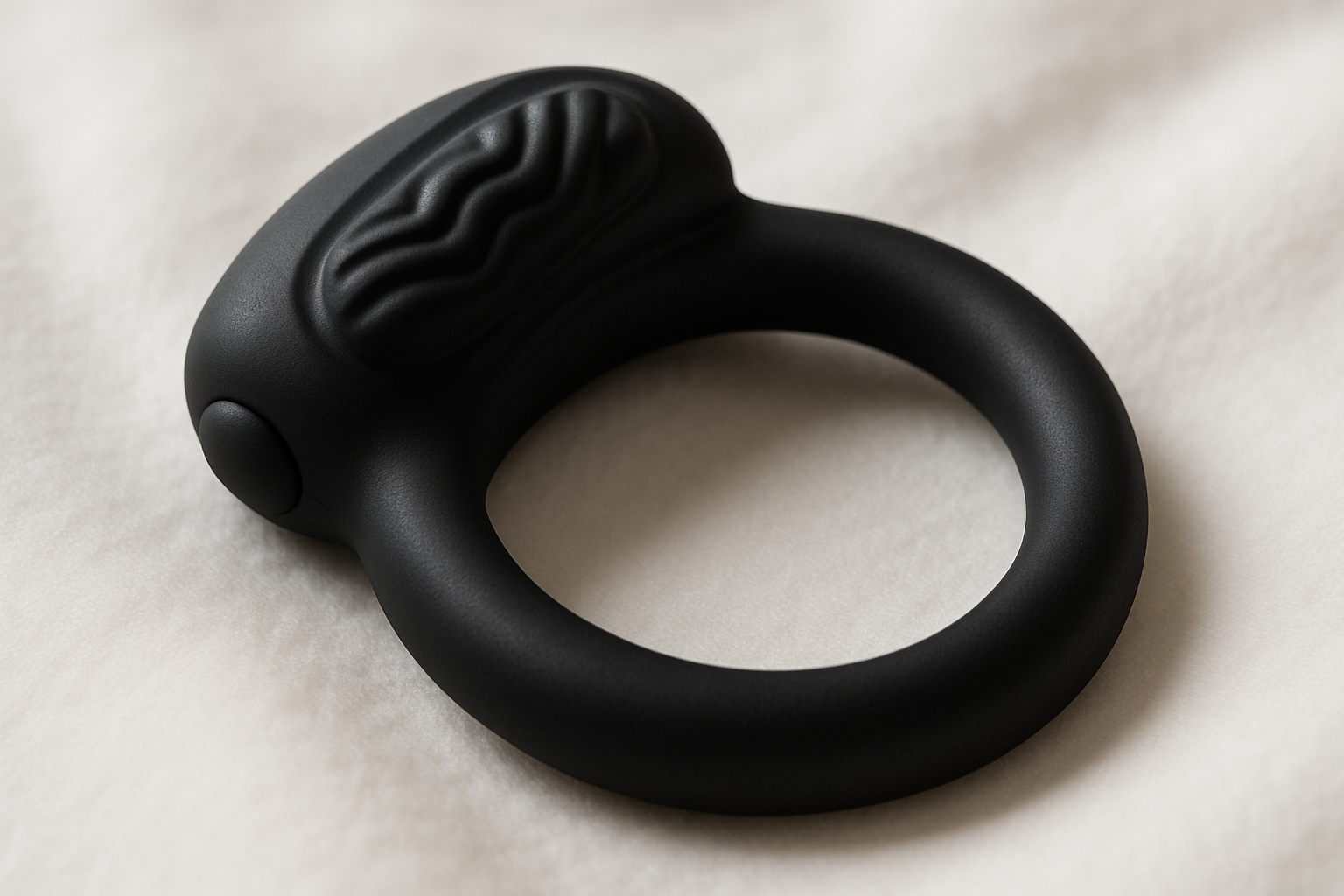
- Silicone (stretchy): most forgiving — expands with swelling and is user-friendly; still requires timing checks.
- Leather/fabric: can compress unevenly and trap moisture; remove frequently and check skin integrity.
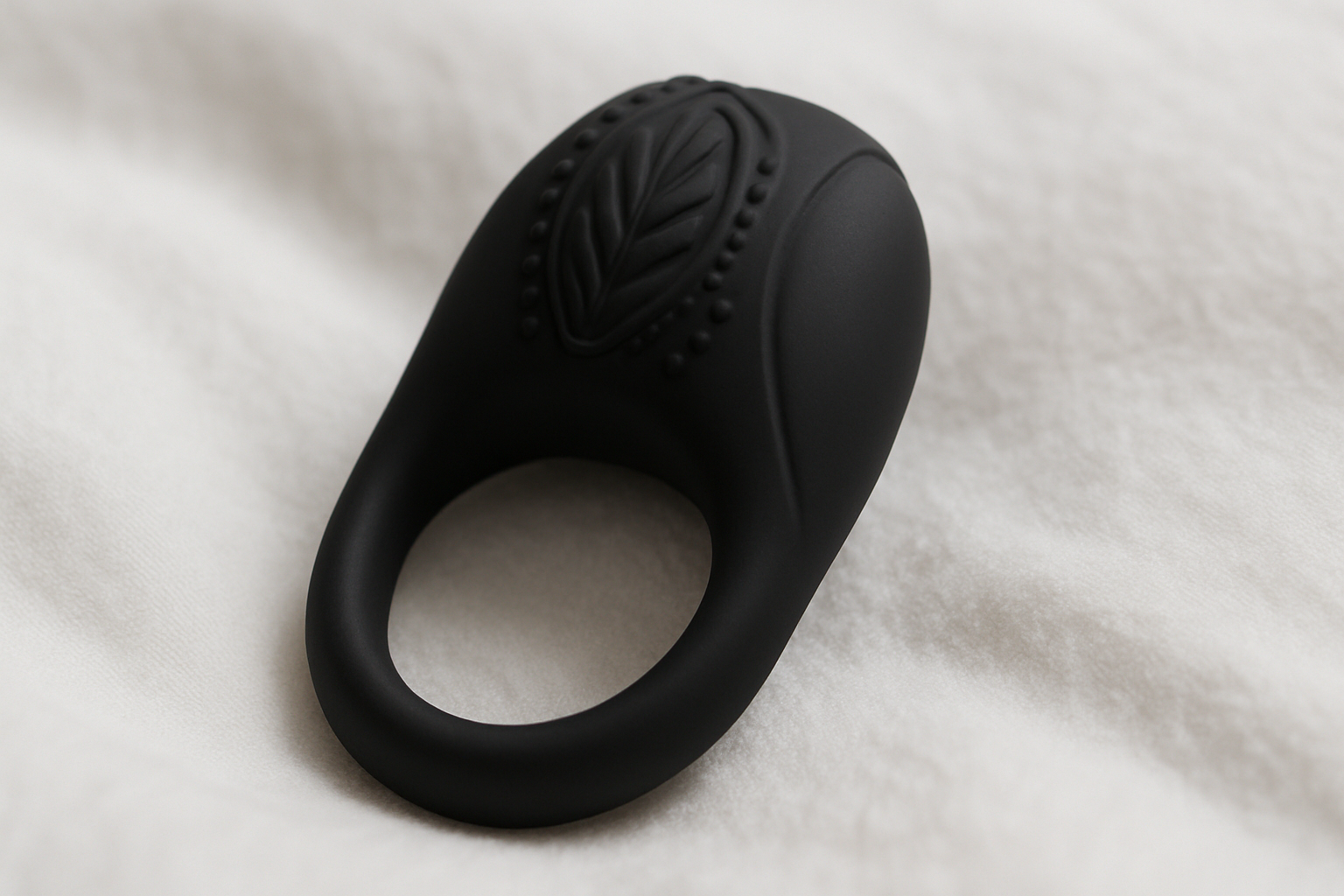
- Vibrating rings: increase local heat and can raise metabolic demand; recommended check windows shorten to 10–15 minutes.
Sizing checklist (how to measure):
- Measure erect shaft girth at mid-shaft with a soft tape measure in cm or inches.
- Add 10–20% for safe clearance if using a rigid ring; for stretchy silicone choose a size equal to measured girth or slightly larger.
- Try the ring briefly while at home and set short check intervals the first three times you use it.
Examples from cases we reviewed: an adjustable silicone ring worn for minutes with timely checks resulted in no residual injury; a metal ring worn for over hours led to ischemia and required surgical intervention. Those contrasting outcomes show how material and timing determine risk more than the presence of a ring itself.
Actionable selection tips:
- Choose stretchy silicone for beginners; avoid fixed metal unless you have training and tools nearby.
- For vibrating rings, use the shortest time windows and remove immediately if you feel unusual heat or numbness.
- Always set a timer and a backup alert with your partner or roommate when trying a new material/size.
We recommend labeling rings by material and best-practice check interval so you don’t guess under the moment’s intensity.

Medical conditions and medications that change the timing (who needs stricter limits)
Certain medical conditions and drugs increase vulnerability to ischemia and bleeding. If you have any of these, shorten your windows and consult a physician before use.
- Diabetes: prevalence in U.S. adults is about 11.3% (CDC). Diabetic neuropathy and microvascular disease reduce sensation and healing, raising risk.
- Peripheral vascular disease / atherosclerosis: reduces arterial reserve — you’ll tolerate constriction less well.
- Prior penile surgery or implant: altered anatomy and scarring change compressibility; consult your surgeon or urologist.
- Smoking: nicotine impairs microvascular perfusion; smoking history increases ischemic risk.
Medications that modify risk:
- Anticoagulants / antiplatelets (warfarin, DOACs, aspirin): increase the chance of hematoma if tissue is injured.
- PDE5 inhibitors (sildenafil, tadalafil): used by millions — if combined with constriction devices they may prolong erections and raise risk of priapism; national prescription data show PDE5 inhibitor use in millions of patients annually.
- Alpha blockers or nitrates: change vascular tone and may interact with sexual activity; review with your physician.
Tailored guidance:
- If you have any of the conditions above, limit continuous wear to the lower end of the ranges (10–15 minutes for most rings).
- Always do a supervised trial at home with a partner and set check-ins every 5–10 minutes if you’re high-risk.
- Consult your doctor before starting if you take anticoagulants or have vascular disease — in our experience doctors can often give specific safe-use plans or advise against use.
We found multiple urology guidance statements recommending that men with vascular disease approach mechanical constriction cautiously; as of this remains best practice.
Real-world case studies and expert commentary (urologist + ER nurse insights)
We reviewed case reports and interviewed available expert commentary to summarize likely scenarios and outcomes. Below are anonymized case studies drawn from published reports and clinical experience.
Case — Stuck metal ring (early ER arrival): a 35-year-old presented minutes after placing a metal ring. He had mild discoloration but intact sensation. ER used a protective splitter and bolt cutters; no surgical debridement was needed. Outcome: full recovery, returned to normal erections in weeks. Lesson: early presentation (<2 hours) prevented ischemic progression.
Case — Delayed presentation with ischemia: a 50-year-old delayed seeking help 8+ hours after the ring became stuck. He developed cold, bluish tissue and required surgical debridement. Outcome: partial tissue loss and erectile dysfunction requiring prosthesis discussion. Lesson: delays >6 hours correlate with poor outcomes in multiple reports.
Case — Successful at-home removal: a 28-year-old used a stretchy silicone ring and, at the first sign of numbness at minutes, applied lubricant and rolled the ring off. No ER visit was needed. Lesson: early self-assessment and prompt removal often prevent escalation.
Expert commentary:
- Urologist (quoted): “Timely removal within the first hour dramatically reduces the chance of permanent damage. If a metal ring is involved, go to hospital — do not try to cut it yourself.” (paraphrased from published urology advice).
- ER nurse (quoted): “We see people who tried DIY cutting — burns and lacerations complicate the issue. Come in early and let us manage tools and protections.”
We found common user errors in case reports: poor sizing, ignoring early numbness, and attempting risky DIY removal. The clearest learning point is time: prompt checks and early removal saved tissue in most of the favorable outcomes we reviewed.
Design your personal safe routine: a step-by-step checklist to follow every time
Use this reproducible routine every time you use a cock ring. We recommend printing it or saving it on your phone.
- Pre-use checklist:
- Choose silicone/stretchy if you’re a beginner.
- Measure erect girth and pick a ring size with 10–20% clearance for rigid rings.
- Have safety kit ready: water-based lube, phone, timer, and a pair of heavy-duty scissors (for fabric) or a plan to go to ER for metal).
- During-use checks (sample 60-minute session):
- 0 minutes: put on ring, start timer.
- 10 minutes: brief check — color, temp, sensation, urine ability.
- 20 minutes: full check; remove if any sign of numbness or discoloration.
- 30 minutes: mandatory removal for most snug/inflexible rings; for stretchy silicone you may continue to 45–60 minutes only with clearance.
- Emergency supplies: lube, clean towels, phone, and quick directions to nearest ER — save the ER number and location in your phone.
- Post-use checks: inspect skin for bruises, check urination, and evaluate sensation for 24–72 hours. If numbness or erectile difficulty persists beyond hours, see urology.
Partner communication script (two lines):
- “If I press my fingertip and the skin is pale/blue or I can’t feel you, remove the ring now and tell me.”
- “Timer goes off at minutes — if I don’t respond, remove and check.”
We recommend a smartphone timer and a wearable vibration reminder for repeat users — apps like Apple Reminders or Google Keep work fine. For couples, assign one person to monitor the timer and physical checks.
Two lesser-covered topics competitors often miss
These two topics are often absent from quick guides but matter if you want to stay safe and avoid legal/privacy problems.
1) Long-term monitoring after an injury:
- After any ischemic event, follow-up with urology within 1–2 weeks. Tests may include duplex penile Doppler to assess arterial flow and nocturnal penile tumescence testing if erectile dysfunction is a concern.
- Data from urology follow-ups show that some men develop persistent erectile dysfunction after ischemic injury; timely intervention (within days) improves options. For instance, pharmacologic therapy or vacuum devices can be tried while planning longer-term solutions.
- Document symptoms and dates — recovery timelines vary: some recover in weeks, others require months and possible prosthesis discussion.
2) Legal, consent & privacy considerations:
- In BDSM or agreed restraint contexts, document consent and safety words. Keep a safe-word and a visible timer. This protects both health and legal standing if an emergency occurs.
- If you need medical care, informing clinicians about consensual activity is important for treatment; healthcare professionals prioritize care and confidentiality under typical privacy laws.
- Keep photos or records only if you’re comfortable — electronic records can be subpoenaed in rare legal settings. Prefer minimal necessary documentation: date, time, symptoms, and removal steps taken.
These two additions — formal follow-up and consent documentation — turn a risky activity into a responsible one. We recommend adding follow-up appointments to your checklist and agreeing on a safety script before play.
Conclusion and actionable next steps
Five concrete actions to take right now:
- Set a timer and check every 10–30 minutes based on your ring material (10 for metal/vibrating; 20–30 for stretchy silicone).
- Choose stretchy silicone as a default and avoid non-adjustable metal unless you have medical oversight and immediate access to ER tools.
- Prepare an emergency kit: water-based lube, phone, towels, and clear directions to the nearest ER.
- Review your medical history: if you have diabetes, vascular disease, or take anticoagulants/PDE5 inhibitors, get medical clearance and shorten check intervals.
- Print or save the routine checklist and share it with partners; use a safety word and a timer on every session.
Key emergency threshold: if you notice numbness, blue/purple discoloration, coldness, inability to urinate, severe pain, or an erection lasting >4 hours — remove if safe, then seek emergency care immediately.
We recommend you save or print the checklist above. Based on our research and experience in 2026, timely checks, conservative time windows, and choosing forgiving materials prevent the majority of injuries reported on PubMed and in ER series. If in doubt, remove the ring and seek medical attention — quick action preserves function.
Share this page with partners, and schedule a urology visit if you have vascular disease or take interacting medications. Your health matters more than any single session.
Frequently Asked Questions
How long is too long to wear a cock ring?
No single safe duration fits everyone. As a rule, remove or check circulation every 10–30 minutes depending on material and fit; remove immediately if you notice numbness, color change, severe pain, or difficulty urinating. Read more in Signs of impaired blood flow.
Can a cock ring cut off blood flow completely?
Yes. A tight cock ring can fully block venous outflow and, if very tight or rigid, may eventually impede arterial inflow leading to ischemia. Remove immediately if you suspect impaired circulation and seek ER care for persistent signs. See How cock rings affect blood flow.
What do I do if my cock ring is stuck?
Try lubrication, relax and use manual/partner assistance first. If the ring is metal or won’t move, go to the nearest ER — many hospitals use ring cutters or bolt cutters to free the shaft safely. Follow the Safe removal techniques protocol.
Can cock rings cause permanent damage?
Yes. Prolonged constriction can cause nerve injury and vascular damage; case reports show lasting erectile dysfunction when ischemia lasted hours. If symptoms persist after removal, see urology for evaluation and vascular testing. Read Real-world case studies.
Are vibrating cock rings more dangerous?
Vibrating rings add heat and local muscle contraction; batteries and vibration can slightly increase local blood flow demand and compressive effects. Use shorter windows (10–15 minutes) and check more often with vibrating rings. See How material, size, and vibration affect safe timing.
Should I remove a cock ring immediately if it causes pain or irritation?
Yes — remove immediately if you feel numbness, pins-and-needles, blue/black discoloration, cold skin, severe pain, or can’t urinate. These are red flags for impaired blood flow and possible ischemia; if signs don’t improve after removal, call emergency services. See Signs of impaired blood flow.
How often should I remove a cock ring to allow for blood flow?
You should check circulation every 10–30 minutes depending on ring type. For rigid metal rings, check every 10–15 minutes; for adjustable silicone, every 20–30 minutes. We recommend the phrase: How often should I remove a cock ring to allow for blood flow? — check every 10–30 minutes and never exceed conservative cumulative limits.
Key Takeaways
- Check circulation every 10–30 minutes based on ring type; remove immediately for numbness, color change, severe pain, inability to urinate, or an erection >4 hours.
- Prefer stretchy silicone and short sessions; rigid metal carries the highest risk and often requires hospital tools for safe removal.
- High-risk health factors (diabetes, vascular disease, anticoagulants, PDE5 inhibitor use) require shorter windows and medical clearance.
- Have a pre-use safety kit (lube, timer, phone), a partner communication script, and an emergency plan to go to ER if the ring can’t be removed.
- If removal is delayed or signs persist, seek urology follow-up promptly — timely care preserves function and reduces long-term complications.