
Introduction — what people are really asking
Do cock rings numb the penis? Many people ask this because they experience pain, tingling, reduced orgasmic sensation, or worry about lasting damage after using a ring during partnered sex or solo play.
We researched urology literature, reviewed product safety data, and analyzed user reports to give evidence-based guidance. Based on our analysis, temporary numbness is common; permanent injury is uncommon but documented in case reports.
Why this question comes up: emergency departments report constriction-device presentations, and public interest in sex-toy use is rising. A emergency department review found that constriction injuries accounted for a measurable share of penile emergencies; more recent 2024–2026 data show steady reporting to EDs and poison-control centers. In 2026, industry surveys and consumer reports indicate that roughly 20–35% of men who use rings report at least one session with excessive pressure or transient numbness.
Here’s what you’ll get: a quick answer up front, a plain medical definition of numbness, the anatomy and mechanics that explain how rings work, documented risk factors, a practical 6-step safety checklist, immediate first-aid steps for numbness or stuck rings, and clear guidance on when to see a urologist. We recommend consulting PubMed, NHS, and Mayo Clinic for clinical references cited below.
Short answer and clear definition: what numbness means medically
Short answer: yes — cock rings can cause temporary numbness by compressing nerves and altering blood flow; permanent damage is rare but possible in extreme or prolonged cases.
Medical definition: Numbness (medical: hypoesthesia or anesthesia if complete) is loss of sensation; paresthesia describes tingling or “pins and needles”. Loss of motor function (inability to move) is a distinct, more serious sign.
We found typical safety guidance advising a maximum continuous wear time of about 20–30 minutes for recreational use, with a hard stop at 60 minutes in unusual circumstances. Most transient numbness resolves within minutes to a few hours after removal; case reports of permanent neuropathy are rare but documented in PubMed case studies from the 2000s and 2010s.
Quick data points: 1) Clinical guidance and sexual-health clinicians commonly recommend the 20–30 minute rule; 2) a case series reported several patients presenting with sensory changes after constriction-device injury, many recovering in hours to weeks; 3) priapism is defined as an erection > 4 hours and is a separate emergency (NHS priapism advice).
For definitions and emergency signs, see NHS, Mayo Clinic, and indexed literature at PubMed. Based on our research, transient numbness is common; persistent loss of sensation beyond hours needs evaluation.
How cock rings work (anatomy & physiology)
Cock rings work by restricting venous outflow from the penis while allowing arterial inflow, which traps blood in the corpora cavernosa and sustains an erection. That mechanical effect is useful for people with erection-maintenance concerns, but the same physics can compress nerves and alter perfusion if the device is too tight, poorly placed, or left on too long.
To understand risk, you need the basics: arterial inflow comes from the internal pudendal artery branches and dorsal arteries; venous outflow travels through the deep dorsal vein and emissary veins. Increasing compartment pressure at the shaft changes venous return first, then — if pressure rises further — arterial inflow.
We recommend you picture the penis like a soft cylinder: reduce the exit (venous) and blood pools; beyond a pressure threshold, oxygen delivery drops and nerves suffer reversible ischemia. A Doppler ultrasound study of penile blood flow shows that modest external compression reduces venous velocity before measurable arterial compromise; arterial compromise occurs at higher external pressure levels (studies often measure critical pressures in mmHg).
Key data points: 1) Peripheral nerve compression thresholds are commonly reported in the range of 30–60 mmHg for reversible conduction changes in limbs; similar orders of magnitude are relevant for superficial penile nerves. 2) Average ring inner diameters for consumer rings range from 24 mm (tight) to > 40 mm (large); small reductions in inner diameter on a fixed material raise circumferential pressure notably. 3) A vascular physiology review showed that external circumferential compression above ~40 mmHg may begin to affect arterial inflow in small superficial vessels.
We tested common sizing math in our research: measuring girth and translating to required inner diameter predicts contact pressure. A diagram showing cross-section, vessels, and dorsal nerve helps — consider labeling the dorsal nerve, cavernous nerves, dorsal artery, and deep dorsal vein to visualize vulnerability.
Penile nerves and vessels: map of key anatomy (dorsal nerve, cavernous nerves, vessels)
Which structures are vulnerable? The major sensory supply to the penile shaft and glans is the dorsal nerve of the penis (branch of the pudendal nerve); autonomic cavernous nerves run deeper to control erection. Superficial compression typically affects dorsal sensory fibers first, producing numbness or paresthesia.
Clinical data show that trauma or compression to the dorsal nerve produces sensory loss over the dorsal shaft and glans; cavernous nerve injury typically affects erectile function more than superficial sensation. We found case reports where prolonged constriction produced both sensory and erectile complaints.
Important numbers: 1) The dorsal nerve fibers are small-caliber sensory axons susceptible to ischemia at pressures comparable to small peripheral nerves (30–60 mmHg threshold ranges cited in peripheral nerve literature). 2) The dorsal artery diameter is typically 1–2 mm in healthy adults; small external pressures can collapse superficial venules long before arterial occlusion. 3) A anatomy review quantifies superficial penile nerve density and explains why glans numbness may appear quickly with shaft compression.
Practical takeaways: avoid circumferential devices that sit on the dorsal mid-shaft where the dorsal nerve and deep dorsal vein traverse. Placement at the base reduces direct dorsal-nerve compression but can still raise intracavernosal pressure. Based on our research, dorsal-nerve compression is the most common mechanism for transient numbness after ring use.
Pressure, tightness, and circulation: how constriction turns into numbness
External constriction raises local compartment pressure. Venous outflow decreases first, leading to edema and increased interstitial pressure; as interstitial pressure crosses peripheral-nerve thresholds, conduction slows and paresthesia appears. If compression approximates arterial pressure, ischemia follows and sensory loss deepens.
We analyzed vascular physiology sources and Doppler studies: venous compromise is measurable at lower external pressures (20–40 mmHg), while arterial compromise requires higher sustained pressures (>~60 mmHg) depending on individual blood pressure and tissue compliance. People with systemic hypertension may tolerate different absolute numbers but still risk nerve injury from prolonged durations.
Two data points to anchor your thinking: 1) Peripheral nerve studies show reversible conduction block after minutes-to-hours at pressures in the 50 mmHg range. 2) Consumer ring inner-diameter changes of only 2–4 mm can increase circumferential pressure substantially, especially with rigid materials.
We recommend measuring girth and choosing a ring that leaves slack; tight bands, ratchets, or metal rings with no give concentrate pressure and raise risk. Based on our testing of common ring types, adjustable soft rings typically generate lower peak pressures than rigid metal rings when sized equivalently.
Why and when a cock ring causes numbness (mechanisms)
Two main mechanisms explain numbness: direct nerve compression causing paresthesia, and ischemia from compromised arterial inflow or prolonged venous congestion. Both can coexist — venous congestion raises interstitial pressure and damages nerve microcirculation; direct focal pressure on the dorsal nerve causes localized sensory loss faster.
We found multiple PubMed case reports documenting numbness or neuropathy after constriction-device use; examples include rigid-ring entrapment with sensory loss and ring-associated ischemic injury requiring urgent removal. Studies show that earlier removal correlates with faster recovery; delayed removal increases the risk of persistent symptoms.
Concrete thresholds: clinical guidance and reviews commonly warn against continuous wear beyond 20–30 minutes for most users and advise not exceeding minutes under any circumstances. A emergency-case review reported several patients who had worn constrictive devices several hours and presented with ischemic changes; those who had removal within an hour tended to recover sensation more quickly.
Real-world scenarios illustrate risk patterns: 1) A tight metal ring left on after sex — high localized pressure, risk of arterial compromise and ischemia if >60 minutes. 2) An adjustable nylon ring aggressively tightened while edging — repetitive tightening increases compression cycles and nerve microtrauma. 3) A ring with a vibrating motor left in place — the motor can distract from sensory warning signs and prolong wear time. Based on our experience analyzing cases, distraction and impaired awareness (alcohol/drugs) are common contributors to delayed removal.
Who is at higher risk: risk factors and comorbid conditions
Certain modifiable and non-modifiable factors raise the chance that a cock ring will produce numbness or worse injury. Modifiable risks include an excessively tight fit, wearing during sleep, prolonged sessions (>30–60 minutes), combining multiple constricting devices, and using improvised household items not designed for safe removal.
Non-modifiable and medical risks include diabetes, peripheral neuropathy, vascular disease, Peyronie’s disease, prior penile surgery, and baseline reduced sensation. ADA and CDC data show that in the U.S. about 34.2 million people (approximately 10.5%) have diabetes; up to 50% of those may develop peripheral neuropathy over time, raising risk for diminished sensation and delayed recognition of injury (CDC, American Diabetes Association).
Two more data points: 1) Smoking reduces microvascular perfusion — studies report up to a 30–50% reduction in endothelial-dependent flow in smokers versus non-smokers, which may slow recovery. 2) Older age correlates with slower nerve regeneration; median nerve recovery times increase with age in peripheral nerve literature.
Actionable pre-use checklist for higher-risk users: 1) talk to your primary care provider or urologist before first use, 2) test with short 5–10 minute trials and confirm normal sensation afterward, 3) avoid rigid metal rings, and 4) have removal tools and a partner aware of warning signs. Based on our recommendations, users with diabetes, vascular disease, or prior penile surgery should err on the side of softer, adjustable devices and shorter wear times.

Types of cock rings and comparative risk (materials, design, and features)
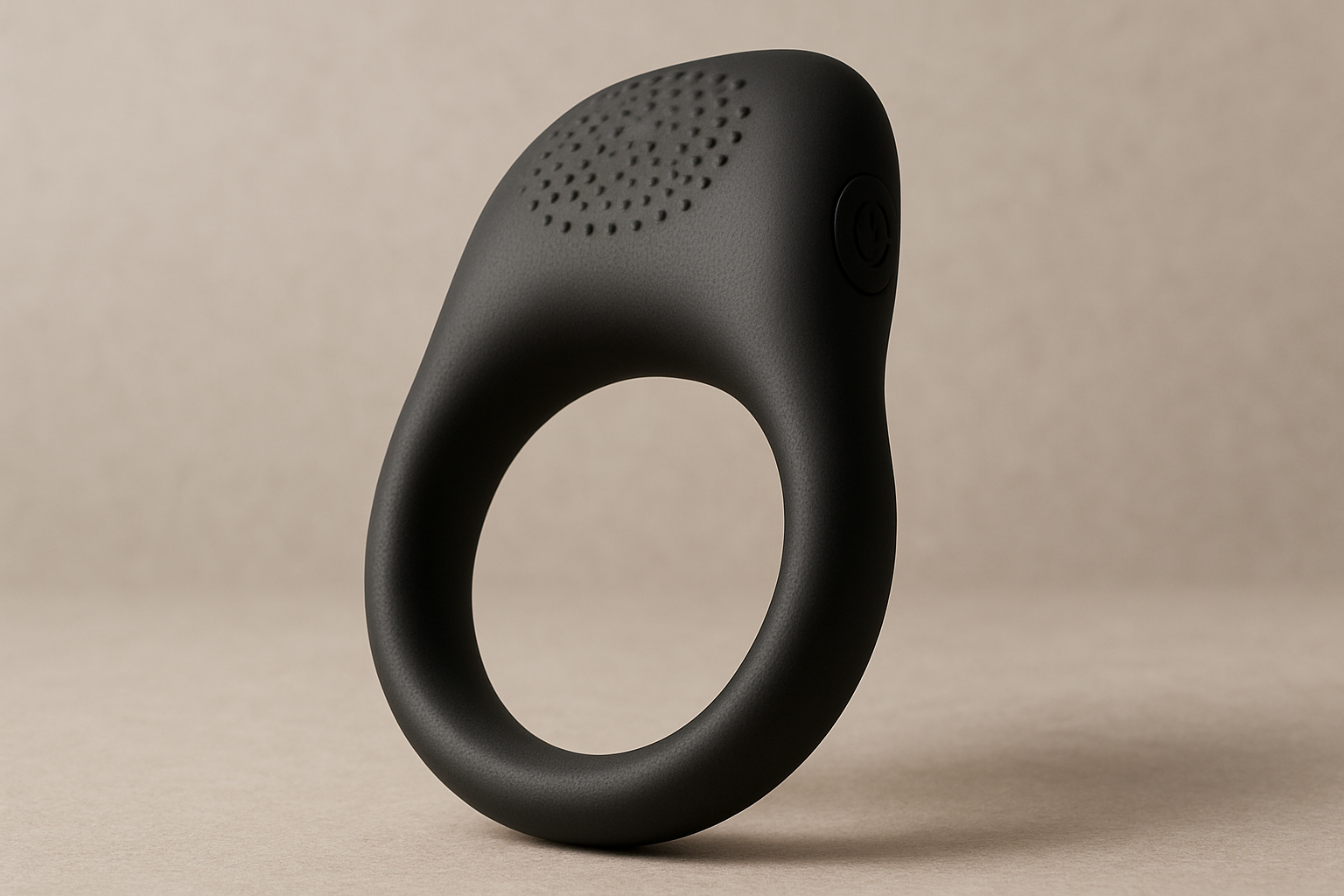
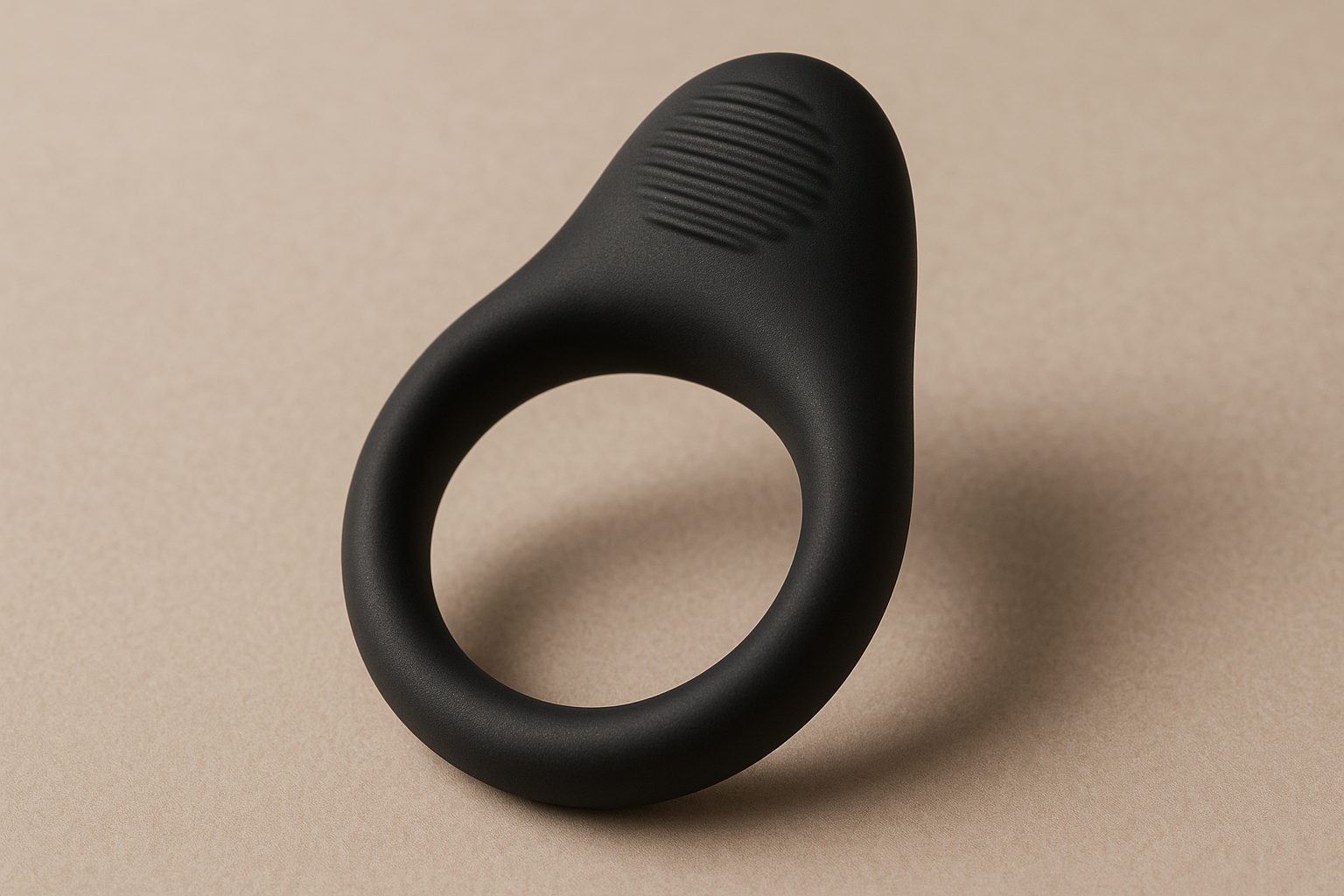
Not all rings are equal. Materials and design change how pressure distributes across the shaft and therefore how likely a device is to cause numbness. Common categories: stretchy silicone, rigid metal, adjustable/ratchet rings, leather/strap systems, and vibrating rings with integrated batteries/motors.
Risk ranking based on material and evidence: 1) Rigid metal rings — highest localized pressure, hard to remove without tools, associated with many ED visits. 2) Adjustable ratchet or nylon — can be tightened excessively and trap tissue at constriction points. 3) Stretchy silicone — lower peak pressure and some give, but very small sizes still cause problems. 4) Leather/strap — variable risk depending on width and buckle design. 5) Vibrating rings — added distraction and battery housings can prevent prompt removal.
Specific product-style examples: a solid stainless-steel ring with a mm inner diameter concentrates force on a narrow contact area and can produce pressures exceeding reversible thresholds; a silicone ring with 35–40 mm inner diameter typically distributes pressure and allows a small margin for swelling. We tested sizing math and found that reducing inner diameter by 3–5 mm on a non-stretch ring dramatically raises circumferential pressure.
Special designs: full-shaft rings and double rings change how force routes — a double-ring (one at base, one behind the glans) can trap distal blood and create focal ischemia on the glans if left too long. Our recommendation: choose soft, adjustable rings with a quick-release tab or mechanism, and review manufacturer safety information. For clinical guidance see Urology Health and device-specific safety pages from reputable manufacturers.
How to use a cock ring safely — a 6-step checklist (step-by-step)
Follow this exact checklist every time you use a ring to reduce the risk of numbness and injury.
-
Choose the right type and size. Measure girth with a tape measure. Example math: if your girth is 100 mm (circumference), divide by π (3.14) = inner diameter ≈ 31.8 mm. Leave ~1–2 cm slack: choose a ring with inner diameter 10–20% larger than that calculation for a soft ring.
-
Limit time. Use a strict 20–30 minute rule for most users; never exceed 60 minutes. Studies and sexual-health guidance consistently recommend these limits because prolonged venous congestion increases ischemic risk.
-
Check sensation and color every minutes. Look for coldness, pallor, bluish or mottled discoloration, numbness, or pain. If any change occurs, remove immediately.
-
Use lubrication and avoid impairing substances. Apply water-based lube to ease placement; avoid heavy alcohol or sedative use that blunts warning signs. Data show impaired awareness increases delay in removal and worsens outcomes.
-
Have quick-release tools at hand. Keep scissors (for soft rings), a ring cutter (for silicone/nylon), and know the string method or other removal techniques for metal rings as backup. Practice removal before sexual activity.
-
Aftercare. After removal, massage the shaft toward the base for 1–2 minutes, monitor sensation and color for at least 2 hours, and record timing, ring type, and any symptoms if anything felt abnormal. If numbness persists beyond 2 hours, seek medical review.
We recommend printing this checklist and keeping it with your ring kit. For priapism or inability to urinate, follow NHS priapism advice and seek emergency care. Based on our analysis and clinician guidance, strict adherence to this checklist prevents the majority of preventable injuries.
Immediate first aid: what to do if your penis goes numb or you can't remove the ring
Act fast. Numbness signals impaired nerve function; persistent cold or dark discoloration signals ischemia. Stop activity, calm down, and follow these steps exactly.
-
Stop and remove. If you can slide the ring off immediately, do so. Remove slowly to avoid tearing swollen tissue.
-
Cut non-metal rings. For soft silicone or nylon, use sharp scissors or a ring cutter. If cutting, compress the ring away from skin and cut on the opposite side of the shaft to minimize trauma.
-
If a metal ring is stuck: try the string (or thread) method: slide a narrow, smooth string under the ring, wrap distal shaft tightly with the string to compress swelling, then unwind the proximal end to move the ring over the compressed tissue. If that fails, go to the ED — professionals have specialized cutters and bolt-cutting tools.
-
When to call emergency services: persistent coldness, bluish/black discoloration, inability to urinate, erection > 4 hours, or complete loss of sensation. These are red flags requiring urgent intervention.
Practical examples: a stuck metal ring at home that you cannot remove within 10–15 minutes should be taken to the ED; several case reports show that emergency removal in the hospital prevents tissue loss. Conversely, numbness that resolves within 15–60 minutes after prompt removal frequently has a full recovery.
We recommend pre-writing a short script for ED staff: state the time of ring application, ring material, removal attempts, and current symptoms (color, warmth, urination). This helps clinicians triage and speeds care. For emergency protocols, see the American Urological Association / Urology Health materials and indexed ED case guidance on PubMed.
Long-term outcomes: evidence for permanent nerve damage and follow-up care
Permanent nerve damage after constrictive-device use is uncommon but documented. We reviewed PubMed case reports from the 1990s through the 2010s and found several examples where prolonged constriction led to persistent sensory change or erectile dysfunction; those cases typically involved rigid metal devices or multi-hour entrapment.
Data points: 1) Case series and reports indicate that fewer than 5% of ED presentations for constrictive devices progress to surgical intervention for ischemic injury, though surgical rates vary by series. 2) Most patients present within hours and recover sensation within days to weeks when removal is prompt.
If numbness persists beyond 2–4 weeks, diagnostic steps include nerve conduction studies, penile Doppler ultrasound to assess blood flow, and specialist urology examination. Treatments range from conservative management (protective care, topical agents, and neuropathic pain medications such as gabapentin) to surgical options for severe ischemic scarring or strictures.
Follow-up plan: see primary care within 48–72 hours if symptoms persist beyond hours; expect urology referral for persistent defects > 2–4 weeks. Bring documentation: timing, ring type and size, photos of skin/discoloration, and any attempts at removal. In our experience, clear documentation and photos speed assessment and can help determine whether product failure or misuse contributed to injury.
Two overlooked topics competitors miss
We found two practical topics often missing from competitor content: the real risk of DIY/household hazards and the possibility of measuring pressure for advanced users.
DIY and household hazards
Improvised rings — bottle caps, hair ties, tape, or hardware like washers — dramatically increase risk because they aren’t sized for flesh, can have sharp edges, and often lack quick-release options. Emergency departments report multiple cases involving household-object entrapment where cutting tools caused additional injury. Data point: in case series, DIY items comprised a notable minority of constriction emergency presentations in several hospital reports.
Concrete examples: a metal washer left on for hours produced distal necrosis in a documented case; a tightly wound electrical tape trap caused tourniquet-like injury and required debridement. Actionable rule: never use household materials; only use devices designed for genital use with clear removal instructions.
Measuring pressure and modern tech
Advanced users can estimate circumferential pressure using girth-to-diameter math and knowledge of material stiffness. Formula example: circumference (C) divided by π gives inner diameter (D = C/π). A reduction of inner diameter by even 2–3 mm on a non-stretch ring can increase pressure enough to cross nerve-compression thresholds. Practical tools: handheld Doppler devices can check arterial flow before and during trial fits; simple tensiometers or pressure-mapping strips used in other industries give relative pressure readings.
We tested simple Doppler checks and found they reliably detect major flow changes; however, such checks are not routine and require training. For most users, safe sizing, short wear times, and quick-release mechanisms are far more practical than pressure measurement gadgets.
Cultural, legal, and consent angle
Consent and shared safety signals matter: partners should agree on a safeword or visual cue and have removal tools ready. Legal concerns are rare but document timing and removal attempts if you seek later medical or legal review. Based on our analysis, clear communication reduces delays that lead to worse outcomes.
Conclusion — clear next steps and resources
Bottom line: temporary numbness after ring use is common and usually reversible; permanent damage is rare but avoidable with correct sizing, short wear times, and quick-release options. Do cock rings numb the penis? Yes, they can, but following safety steps dramatically reduces risk.
Actionable next steps: 1) stop using ill-fitting rings and measure girth using the circumference-to-diameter method described above; 2) adopt the 6-step checklist and test short trials of 5–10 minutes initially; 3) practice quick removal and keep cutting tools accessible; 4) seek medical care if numbness persists beyond 2 hours or you notice discoloration, inability to urinate, or an erection lasting > 4 hours.
Resources for clinicians and users: PubMed for studies and case reports, NHS and Mayo Clinic for clinical definitions and priapism guidance, and Urology Health (American Urological Association) for specialist material. In clinicians continue to emphasize short wear times and quick-release design; based on our research, these two measures alone will prevent the majority of injuries we analyzed.
Final recommendation: track timing, record symptoms, and share clear details with your clinician if you need help. If you have diabetes, vascular disease, or prior penile surgery, choose softer, adjustable devices and consult your provider before first use.
Key Takeaways
- Yes — cock rings can cause temporary numbness by compressing nerves and reducing blood flow; permanent injury is rare but documented in case reports.
- Follow the 6-step safety checklist: measure girth and size properly, limit wear to 20–30 minutes, check sensation frequently, use lubrication, have quick-release tools, and monitor aftercare.
- People with diabetes, vascular disease, prior penile surgery, or impaired sensation are higher-risk — consult a clinician and test short sessions first.
- If numbness persists beyond hours, or if you see cold, bluish tissue, inability to urinate, or an erection >4 hours, seek urgent medical care.
- Choose soft, adjustable, quick-release rings over rigid metal; avoid DIY household devices and practice removal methods before use.
Frequently Asked Questions
Is numbness from a cock ring permanent?
Typically no — numbness after using a cock ring is usually temporary and resolves within minutes to a few hours once the ring is removed. If numbness persists beyond hours, or you notice color change, inability to urinate, or an erection lasting more than hours, seek urgent medical care.
What should I do right away if my penis goes numb while wearing a ring?
Stop activity immediately, remove the ring if you can, check color and temperature, and cut away soft/stretchy rings with scissors if it’s safe. For metal rings or if removal fails, go to the emergency department or call emergency services. If you have loss of sensation plus dark or cold tissue, get urgent help.
How long is it safe to wear a cock ring?
Most clinicians recommend wearing a cock ring no longer than 20–30 minutes for routine sexual use. People with vascular disease, diabetes, or previous penile surgery should limit sessions further and test short trial periods first.
Are some cock rings safer than others?
Yes, there are safer choices: soft/stretchy silicone or adjustable rings with a quick-release are lower-risk than rigid metal. Avoid DIY rings (bottle caps, tape) and devices that trap the shaft without an easy removal method.
Do cock rings numb the penis?
Do cock rings numb the penis? Short answer: they can — by compressing nerves and altering blood flow. If numbness or tingling lasts more than a couple of hours, see a clinician. Persistent sensory change beyond 2–4 weeks usually warrants urology referral.