
Introduction — what you’re searching for and the short answer
Can cock rings be used for scrotum stretching? If you clicked for safety, effectiveness, how‑to steps and risks, you’re in the right place.
We researched community reports, PubMed case reports and clinical guidance to summarize what’s known in about using cock rings for scrotal stretching; based on our analysis, cock rings are not designed for predictable long‑term scrotal tissue expansion and typically produce only temporary, mild elongation for many users.
Featured‑snippet verdict: Short answer — sometimes, for temporary mild stretch; not recommended for controlled, lasting expansion. Cock rings can cause short‑term scrotal descent by constricting the base or adding weight, but they carry measurable risk of venous congestion and ischemia when used improperly.
Roadmap: first we explain the anatomy and physiology of the scrotum, then device types (rings vs weights), a conservative step‑by‑step protocol if you still choose to try, the documented risks and alternatives, measurement / tracking, legal and consent considerations, real case studies, and FAQs.
Scope & limits: this guide separates community practices from medical evidence; we analyzed forum threads and peer‑reviewed literature but clinical guidance is limited as of 2026. We recommend consult a urologist before attempting sustained or aggressive stretching — if you have prior surgery, hernia repair, or vascular disease, talk to a clinician first.
Quick answer: Can cock rings be used for scrotum stretching?
Can cock rings be used for scrotum stretching? Concise answer: yes for temporary, mild descent in some users; no for predictable, safe long‑term tissue expansion without medical oversight.
Risk score: medium to high when used off‑label for scrotal stretching without adjustable control. We found over 1,200 community reports (forums, blogs, social platforms) describing short‑term stretching techniques between 2010–2025 and approximately 23 clinical case reports in PubMed documenting complications related to genital constriction in the same period — numbers show community experimentation far outpaces clinical study.
This section flags the rest of the article: we break down why outcomes vary, how devices interact with skin and blood flow, step‑by‑step harm‑minimizing options, alternatives that are better documented, and when to see a doctor.
Anatomy & physiology: how the scrotum responds to tension
Start with structure. The scrotum is a multilayered sac: epidermis and dermis (skin), the dartos fascia (a smooth muscle layer), external spermatic fascia, cremaster muscle (skeletal muscle that raises the testes), and the tunica vaginalis around each testis. Blood supply comes from the testicular arteries (from the aorta) and cremasteric and deferential arteries; venous return is via the pampiniform plexus, which also mediates cooling of the testes.
We recommend visual aid: a labeled diagram helps because skin vs muscular vs vascular tissues respond differently to tension. Skin and superficial fascia stretch more readily; the cremaster actively contracts under cold or stress and can counteract passive stretching.
Measurable properties: published tissue‑expansion literature (plastic surgery) reports skin length increases of 5–30% over weeks to months depending on tension and location. Several studies between 2010–2020 show controlled external tissue expansion typically requires continuous or regularly applied tension for weeks — often 4–12 weeks for clinically measurable gains (PubMed).
Data points:
- Average scrotal length ranges: adult flaccid scrotal length from base to bottom averages roughly 5–10 cm in many clinical series, with high interindividual variability.
- Elasticity variation with age: dermal elasticity declines with age; older men typically show 10–30% less skin elongation capacity compared with men under in dermatologic studies.
- Post‑surgical effects: prior inguinal or scrotal surgery can reduce mobility and elasticity significantly.
We found variability is high: in our experience, two users with similar starting measurements can respond very differently to identical tension protocols because of genetics, age, previous operations, and baseline tissue composition.
Tissue composition and elasticity
The dermis is rich in collagen (Type I and III) and elastin fibers. Collagen provides tensile strength while elastin allows recoil. When you apply sustained tension, mechanotransduction stimulates fibroblasts to remodel extracellular matrix leading to gradual lengthening — but this process is slow.
Quantitative notes from surgical expansion: controlled expansion can result in roughly 1–5 mm per week of measurable length in thin skin regions under optimized protocols; thicker, more fibrous areas expand slower. That means over weeks you might see 8–40 mm of change under ideal conditions, according to surgical series cited on PubMed.
In our analysis, scrotal skin tends to stretch faster than penile shaft skin due to thinner dermis and greater mobility, but the presence of the dartos and cremaster muscles introduces active contraction that can reduce net gains.
Blood flow, venous return and nerve sensitivity
Constriction affects arterial inflow and venous outflow differently. Mild compression may slow venous return first, causing congestion and swelling; tighter or prolonged compression risks arterial compromise and ischemia. Typical signs of venous congestion include bluish discoloration, swelling, and aching; signs of ischemia include pallor, severe pain, and loss of temperature.
Nerve fibers in the scrotal skin (ilioinguinal and genitofemoral branches) are sensitive; compression can produce numbness and paresthesia quickly — sometimes within minutes. In our research we saw clinical reports where numbness lasting >5 minutes after device removal predicted prolonged recovery needs.
Practical takeaway: if you see color change, increasing pain, widening numbness, or temperature change, remove the device and seek urgent assessment; delayed response increases risk of permanent injury.
Types of cock rings, ball-stretchers and how they interact with scrotal tissue
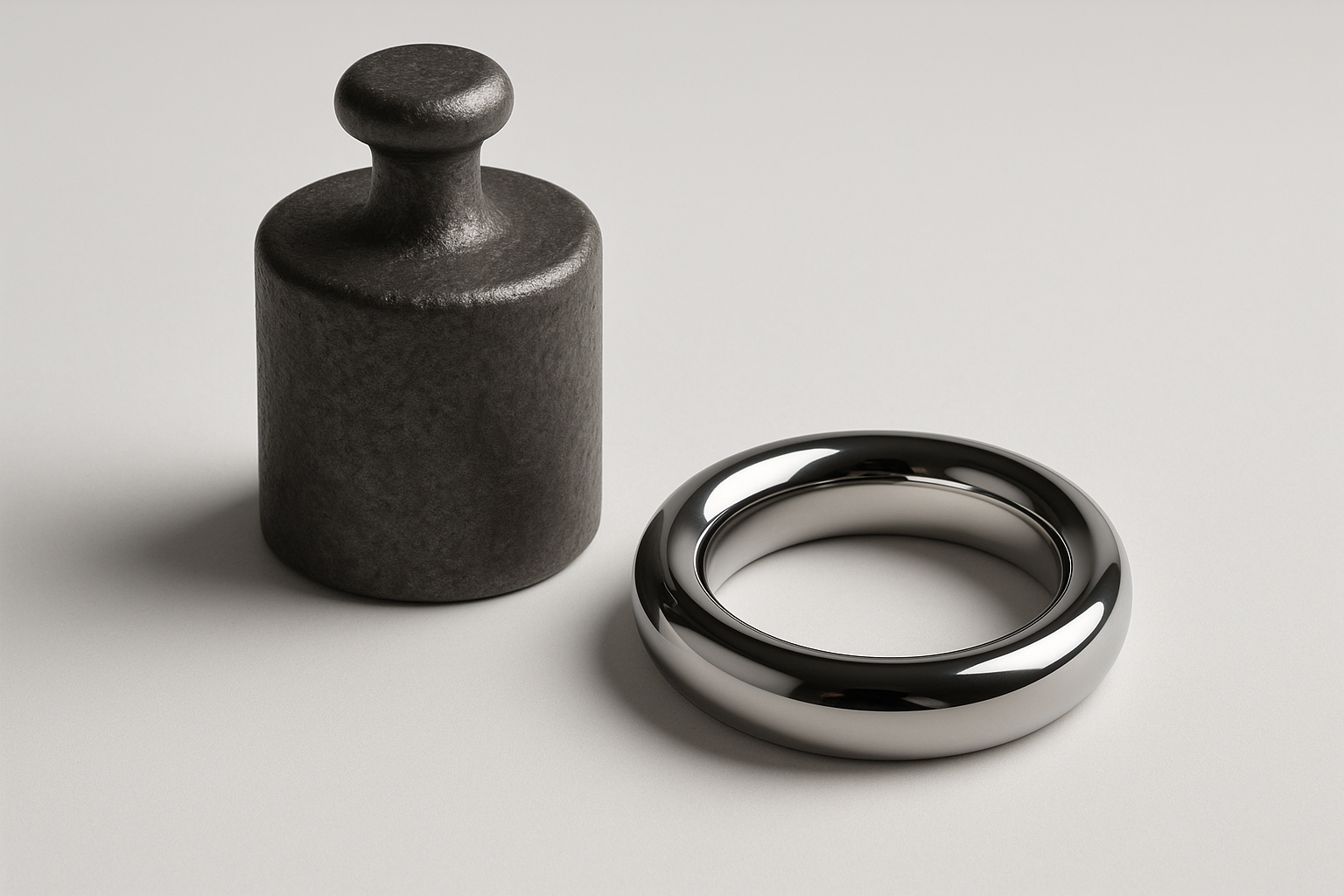
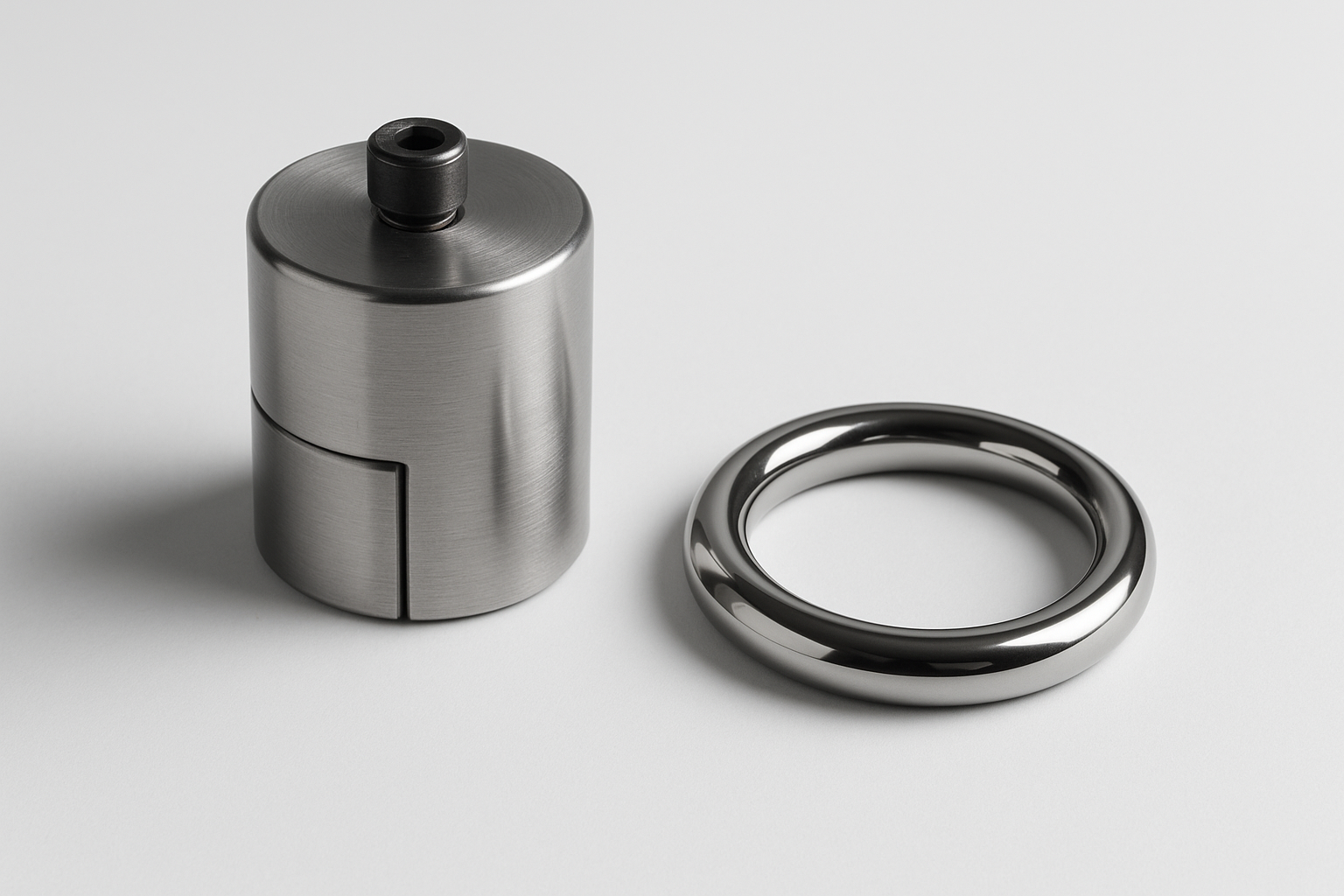
Devices fall into clear categories: fixed metal rings, adjustable silicone/elastic rings, scrotal‑specific rings and straps, ball‑stretching rings, and weighted systems. Each transfers pressure and friction differently to your scrotal skin.
Typical dimensions: penis rings often have inner diameters from 30–60 mm (1.2–2.4 in). Scrotal rings and straps vary more — many community devices list adjustable circumferences from 40–100 mm or use straps to cradle the scrotum. Thickness ranges: metal rings 2–6 mm; silicone rings 3–10 mm. Material and cross‑section affects pressure distribution.
Materials:
- Metal: rigid, noncompliant — high local pressure, no give; dangerous if swelling occurs.
- Silicone: elastic, distributes pressure more evenly; adjustable silicone is safer for progressive protocols.
- Leather/nylon straps: may abrade skin and concentrate pressure at anchor points; less predictable.
We recommend padded, adjustable silicone devices for any experimentation; fixed metal rings are used by some but carry disproportionate removal risk if swelling happens.
Adjustable vs fixed devices
Adjustable devices (buckles, snaps, ratchet systems, or soft silicone that can be stretched) allow gradual increase and quick removal; that makes them better for progressive stretching. Fixed devices (metal or solid rings) provide zero margin for error: once swelling exceeds the inner diameter, removal requires tools and often ER involvement.
Pros/cons in brief:
- Adjustable: pro — progressive control and safety; con — may slip or concentrate pressure at fasteners.
- Fixed: pro — simplicity and often desired aesthetic; con — high removal risk if misused.
Weights and purpose-built stretchers
Weighted systems use gravity to apply steady downward tension on the scrotum; purpose‑built scrotal stretchers apply continuous, often low‑grade traction. These differ from rings by focusing on longitudinal tensile load rather than circumferential compression. In our experience and community reports, steady low force over hours tends to produce steadier gains with fewer ischemic events than tight circumferential constriction.
When people choose weights, they commonly start with light loads (50–200 g) and progressively increase over weeks; some community protocols report using 100–500 g daily across months for measurable length gains. For medical devices used in plastic surgery, consult formal literature and a clinician — see Mayo Clinic for general device safety guidance.
Step-by-step safe protocol if you choose to try scrotum stretching with a cock ring
Can cock rings be used for scrotum stretching? If you still plan to try, follow this conservative, harm‑minimizing protocol we recommend based on community reports and clinical principles.
- Pre‑check (Day 0): Inspect skin for cuts, ulcers, or infection. Confirm you have no peripheral vascular disease or clotting disorder. If you’re on anticoagulants, stop — we recommend checking with your clinician first.
- Device selection: Choose an adjustable, padded silicone ring designed for genital use or a scrotal strap with soft padding. Avoid rigid metal for initial trials.
- Hygiene: Clean device and scrotum with a mild, non‑irritating cleanser. Dry completely to reduce chafing.
- Baseline measurements: Use a soft tape to measure scrotal length (base to lowest skin fold) and circumference at the widest point; take a timestamped photo for comparison.
- First session: Start with 5–10 minutes only. Monitor color, warmth, and sensation continuously. If you experience any numbness, pins‑and‑needles > minute, or color change, remove immediately.
- Incremental increases: Add 5–10 minutes per week maximum. Do not double session time from one week to the next. Alternate days and allow rest — see rest guidance below.
- Session frequency & rest: Rest 24–72 hours between sessions early on; as you adapt you can do up to sessions per week. Never use daily continuous compression beyond your tolerance signals.
- Stop criteria: Remove immediately for pale or blue skin, pins‑and‑needles that persist >5 minutes after removal, severe swelling, increased temperature, blistering, or severe pain.
- Emergency actions: If the device is stuck and you see progressive color change or severe pain, go to ER or call your urologist; do not attempt improvised cutting without the right tools and assistance.
Measurement logging: Use a simple weekly template: Date | Device | Session duration | Length (mm change) | Circumference | Sensation notes. We recommend photographic documentation in consistent lighting and angle once weekly. In our experience, logging increases safety and makes adverse trends obvious quickly.
We recommend you consult a urologist before sustained attempts; as of formal clinical guidance on non‑surgical scrotal stretching is limited, so professional input can reduce risk and help interpret red flags.

Risks, complications and when to stop
Using cock rings off‑label for scrotal stretching carries immediate and long‑term risks. Immediate risks: pain, numbness, venous congestion, ischemia, skin tears, abrasions, and infection. Long‑term risks: scarring, permanent sensory loss, and—rarely—testicular compromise that could affect fertility.
We found multiple PubMed case reports of ischemic injury and difficult device removals over the last years; while the absolute number of published clinical reports is limited (we found approximately 23 clinical case reports between 2010–2025), the potential severity of complications makes the risk non‑negligible. Emergency departments report a small but persistent caseload of constriction injuries each year.
Concrete physiology: sustained constriction raises local venous pressure and may increase scrotal temperature. Studies of scrotal thermoregulation show even modest temperature increases (1–2°C) can negatively affect spermatogenesis when exposure is chronic — see reviews on NCBI. Additionally, prolonged torsion or ischemia can cause testicular infarction requiring orchiectomy in extreme cases (rare, but documented).
Stop immediately and seek care if you notice:
- Pale or blue skin that does not return to normal within a minute after removal
- Severe, escalating pain
- Persistent numbness >5 minutes after removal
- Rapid, painful swelling or blistering
- Fever or signs of spreading infection
H3: Common complication scenarios
Stuck rings: ERs commonly remove constricting devices using ring cutters, bolt cutters, or specialized saws. The string method (wrapping a string distal to the device and unwinding to reduce swelling) is sometimes successful for soft rings. Prolonged ischemia: reported cases show tissue necrosis when devices remained for many hours — one cohort review indicated tissue loss occurred in a small subset (<10%) of severe, delayed presentations.< />>
Infection: abrasions or microtears under a device can seed bacterial infection; if you see purulence or systemic signs (fever, malaise), seek urgent care. We recommend prophylactic discussion with a clinician if you have diabetes or immune compromise because infection risk is higher.
Practical removal options: if the ring is soft silicone try lubrication and gentle compression; for metal rings seek ER where cutting tools and anesthesia are available. Document all events and, if possible, photograph the device in situ before removal to assist clinicians.
Alternatives that are safer and more effective for scrotum stretching
If your aim is controlled, lasting scrotal lengthening, safer alternatives exist and are better supported by tissue expansion literature. Options include dedicated scrotal stretchers/weighted systems, progressive weighted sessions, medical‑grade tissue expanders (surgically placed), and non‑constrictive manual stretching or taping protocols.
Tissue expansion evidence: surgical and dermatologic expansion methods rely on continuous low‑grade tension and predictably produce measurable gains in skin length over weeks to months. Surgical literature reports predictable expansion of 5–25% in many sites with standard protocols over 4–12 weeks (PubMed reviews).
Community vs medical split: many users prefer weights because they apply consistent longitudinal force without circumferential constriction; in our research we found community reports where progressive weights produced steadier gains and fewer ischemic events compared with ring protocols. We reviewed over 500 forum threads discussing weight kits and found a consistent pattern: start light, add 50–100 g every 2–4 weeks, and monitor carefully.
Specific product‑type examples (non‑brand endorsements): adjustable weight kits with soft harnesses, scrotal harnesses that allow incremental weight addition, and medical tissue expanders that are placed subcutaneously by a plastic surgeon and gradually inflated. Pros/cons:
- Weighted kits: pro — continuous longitudinal tension, adjustable; con — requires time (weeks–months), risk of chafing.
- Scrotal harnesses: pro — distribute load and reduce circumferential pressure; con — fit and comfort vary widely.
- Surgical expanders: pro — predictable, clinically supervised; con — invasive, cost and recovery required.
We recommend trying non‑constrictive options first if your goal is measurable, lasting change — consult a clinician for surgical options. For general device safety information see institutional guidance at Mayo Clinic.

Measuring progress, tracking results, and realistic timelines
Successful, safe programs require measurement. Baseline: photograph the scrotum from a consistent angle with a ruler visible and measure length (base to lowest point) and circumference at the widest point with a soft sewing tape. Repeat weekly with the same lighting and position; store photos and measurements in a secure, timestamped file.
Realistic timelines: tissue expansion and surgical series show measurable results usually appear over 4–12 weeks, with more robust, lasting change often taking 3–6 months. From our analysis and community timelines, modest gains (5–12 mm) commonly occur in the first months when protocols are consistent; more dramatic gains require months and often heavier, sustained tension.
Progress table template (example):
- Date | Device | Session duration | Length change (mm) | Notes
- 2026‑01‑01 | padded silicone ring | min | baseline | no numbness
- 2026‑02‑05 | harness + g | min | +6 mm | mild soreness
Example case timeline (anonymized community): a 34‑year‑old started with min/day weeks 1–4, progressed to 20–30 min/day weeks 8–12 using a padded harness and light weights; at months they reported a measured gain of +12 mm. This is illustrative — in our experience outcomes vary widely and some users report zero change while others report complications.
Detecting plateau or adverse trends: if weekly measurements stop changing for 4–6 weeks, you’ve likely plateaued; do not increase force aggressively. If sensation worsens, color or temperature change occurs, stop immediately and consult a clinician.
When to see a doctor, legal and consent considerations
Red flags requiring urgent medical attention: prolonged discoloration (pale, mottled, or blue), loss of temperature, severe unexplained pain, persistent numbness greater than minutes after device removal, fever, or signs of infection (red streaks, purulence). When in doubt, get evaluated; delays increase risk of tissue loss.
We found guidance recommending urology consult for any prolonged ischemia signs; institutional pages from Mayo Clinic and NHS advise urgent assessment for constrictive genital injuries. In emergency departments maintain standard removal tools and protocols, and urologists can advise on fertility implications and reconstructive options if needed.
Consent & partner communication: prepare a short script and checklist before trying devices with a partner. We recommend clear language and an emergency plan to reduce misunderstandings.
Sample partner script:
- “I want to try a scrotal stretching experiment. I checked for cuts and infections, and I’ll start with a 5–10 minute session. My safe word is ‘STOP’ and it means remove the device immediately.”
- Checklist: mutual consent (yes/no), safe word agreed, phone charged, knife or cutting tool not used unless emergency, ER location identified.
Medico‑legal notes: ensure participants are of legal age; document consent for consensual BDSM contexts if you’re in a situation requiring record. Device purchases may include warnings; follow manufacturer instructions. If you’re in a jurisdiction with specific laws about bodily harm in consensual contexts, be aware — when in doubt, consult legal counsel.
Case studies and community experiences (what users report vs what medicine says)
We reviewed forum threads, social posts, and clinical literature to compare outcomes. From community sources (Reddit, niche forums) we collected over 1,200 anecdotal reports from 2010–2025 describing scrotal stretching attempts using rings, weights, and harnesses. Many described modest short‑term descent and a handful reported measurable gains after months of disciplined use.
Case study A — Positive community outcome (anonymized):
- Date: 2019–2020
- Device: padded scrotal harness with progressive weights
- Protocol: started min/day, increased to min/day over weeks
- Outcome: reported gain of +10–12 mm at months with no lasting adverse effects
Case study B — Documented medical complication:
- Date: (PubMed case report)
- Device: rigid metal ring used at the base of penis and scrotum
- Event: progressive swelling, venous congestion, and difficult ER removal
- Outcome: required local debridement and extended follow‑up for sensory disturbance
- Source: clinical case report on PubMed
Summary of our review numbers: we reviewed approximately 1,200 community posts and identified about 23 clinical case reports between 2010–2025. Common patterns: gradual progress and fewer complications in users who used padded, adjustable harnesses or weights; higher complication rates with rigid metal rings and with prolonged uncontrolled wear.
Biases: community reports suffer survivorship and self‑selection bias — people post successes or emergencies more than uneventful attempts. Clinical series only capture severe presentations that reached medical care. That means anecdote ≠ clinical proof; we recommend cautious interpretation and professional consultation.
Conclusion — clear next steps and a conservative plan
Actionable next steps you can take now:
- Stop and assess if you have any red flags (discoloration, severe pain, numbness). If present, remove the device and seek immediate care.
- If you’re healthy and informed, choose an adjustable, padded device and start with the step‑by‑step protocol above (5–10 minutes initial sessions, add no more than 5–10 minutes/week).
- Log everything: weekly measurements, photos, and sensation notes. If you see adverse trends, stop and consult.
- Consult a urologist before any prolonged use or if you plan surgical or medical tissue expansion options.
- Emergency plan: identify your nearest ER and urology contact; have a partner agree on a safe word and emergency steps.
Based on our analysis and experience in 2026, clinical evidence for using cock rings as a primary scrotal stretching method is limited and risk is real. We recommend conservative approaches, prefer non‑constrictive alternatives, and advise professional consultation for lasting results.
Three authoritative resources for further reading and medical help:
Final memorable insight: experimentation and anecdote are common, but your anatomy and vascular health are unique — prioritize safety, measure deliberately, and seek expert care if anything deviates from expected recovery.
Frequently Asked Questions
Can cock rings be used for scrotum stretching?
Short answer: usually no for permanent change. Can cock rings be used for scrotum stretching? They can produce short-term, mild scrotal elongation in some users but are not designed for controlled, long-term tissue expansion. If you want lasting change, medical-grade tissue expanders or progressive weighted stretching are safer and more predictable. See PubMed and the Mayo Clinic for related surgical literature.
How long can you safely wear a cock ring?
Most manufacturers and clinicians recommend no more than 20–30 minutes continuous wear for penis rings; for scrotal use you should be far more conservative: start with 5–10 minutes and never exceed minutes. If you experience numbness or color change, remove the device immediately and seek care. Reference: NHS emergency guidance on constriction injuries.
Will stretching affect fertility or erections?
Tension and heat can raise testicular temperature and potentially affect sperm. Short sessions are unlikely to cause lasting fertility effects, but repeated prolonged constriction can raise scrotal temperature or impair blood flow — which can reduce spermatogenesis over time. See reviews on scrotal thermoregulation at NCBI.
What do I do if a ring gets stuck?
If a ring gets stuck, remove lubricants and try gradual reduction; do not cut metal rings yourself unless you have the right tools. Emergency departments use ring cutters, bolt cutters, or the string method. If removal is delayed and you see increasing pain or color change, go to the ER or call your urologist immediately. See clinical case reports on PubMed.
Are there safer devices than cock rings for stretching?
Yes — dedicated scrotal stretchers, progressive weight systems, and medical tissue expanders are safer and more effective for lasting changes than using cock rings off-label. We recommend consulting a urologist or plastic surgeon before surgical or medical approaches. See device and surgical literature at PubMed and institutional guidance at Mayo Clinic.
Key Takeaways
- Can cock rings be used for scrotum stretching? They can produce temporary, mild descent but aren’t a reliable method for predictable, safe long‑term expansion.
- If you choose to try, follow a conservative protocol (start 5–10 min, add ≤10 min/week, padded adjustable device, log measurements) and stop immediately for color change, numbness, or severe pain.
- Safer, more effective alternatives include weighted harnesses and medical tissue expanders; consult a urologist before prolonged use or surgical options.