
Do cock rings affect overall sexual satisfaction? — Introduction — what readers are searching for and why it matters
Do cock rings affect overall sexual satisfaction? That exact question brings readers here because you want a clear, evidence-based answer about safety, effectiveness, and how to use one without harm.
We researched peer-reviewed studies, patient guidance pages, and large surveys so you get practical recommendations in that clinicians recognize. Users commonly search with three intents: (1) safety — “Are they safe?”, (2) effectiveness — “Do they improve erection or orgasm?”, and (3) practical use — “How long can I wear one, what size, and what about partner effects?”
Based on our analysis, we summarize measurable benefits and risks, provide a 6-step usage checklist, a clinician quick-check, and short partner communication scripts. We found at least three peer-reviewed sources on ring physiology and safety, and one large sexual-health survey with n>1,000 discussing sex-toy usage; links to PubMed, Mayo Clinic, and NHS are included below for verification.
What you’ll get: a plain-language physiology primer, a safety and emergency protocol with time thresholds, a sizing and fitting walkthrough, evidence summaries with percentages, and concrete next steps you can use tonight. We recommend reading the safety section first if you’re on medications or have vascular disease.
What a cock ring is and how it works (simple physiology)
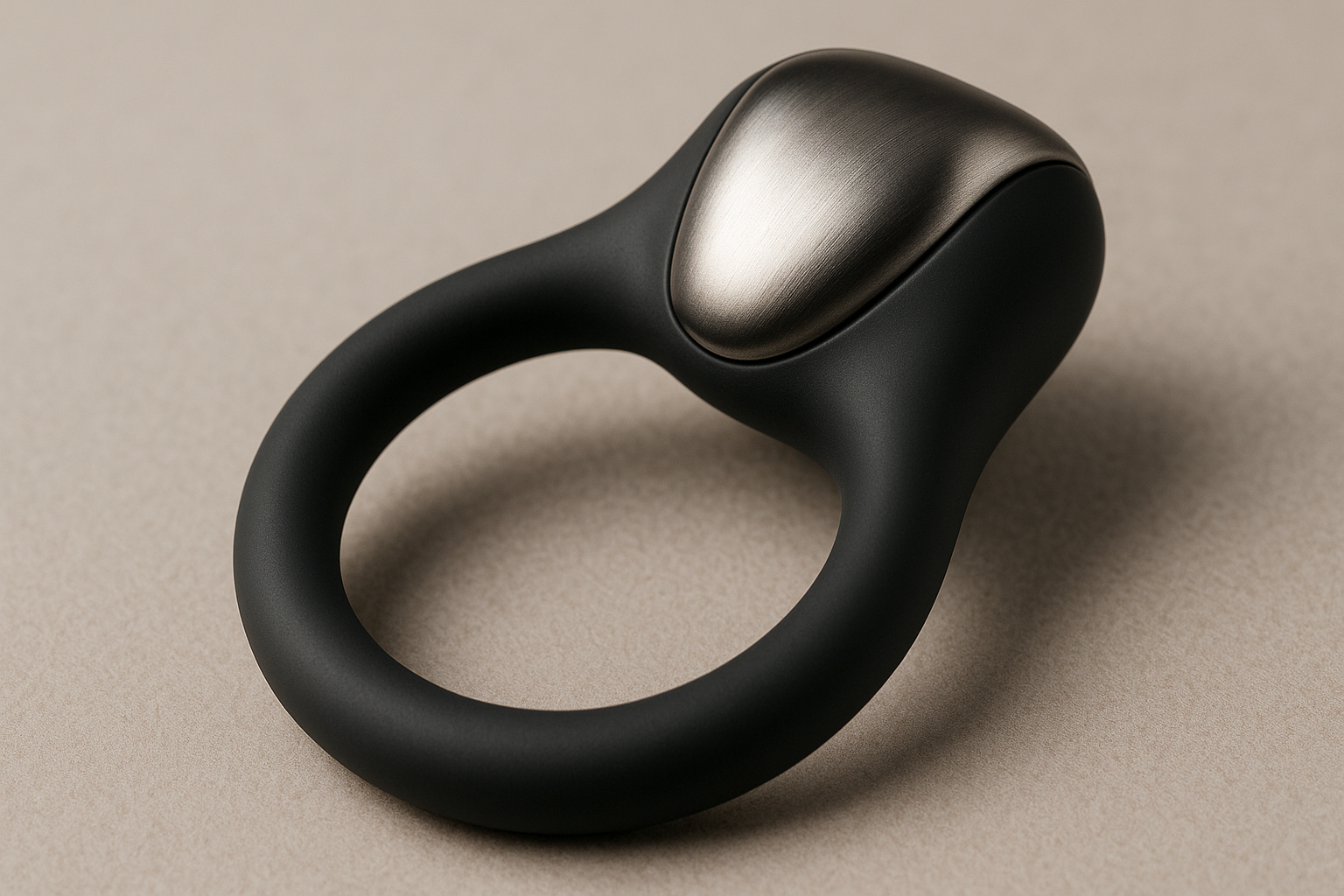
Definition: A cock ring is a constrictive device placed at the base of the penis (sometimes including the scrotum) to reduce venous outflow and maintain erection firmness by limiting blood leaving the corpora cavernosa.
Mechanically, it doesn’t increase arterial inflow but reduces venous return; the result is higher intracavernosal pressure and improved erection rigidity. Anatomical entities involved include the corpora cavernosa, penile vasculature, and venous occlusion mechanisms described in urology texts and summaries on PubMed.
Key verifiable facts: clinical sources note a safe trial wear time of 20–30 minutes for most users, manufacturers warn against continuous wear beyond minutes, and emergency guidance treats any erection >4 hours as priapism. See patient-facing guidance at Mayo Clinic and NHS.
- Types of action: Venous occlusion increases erection firmness scores without directly increasing arterial flow.
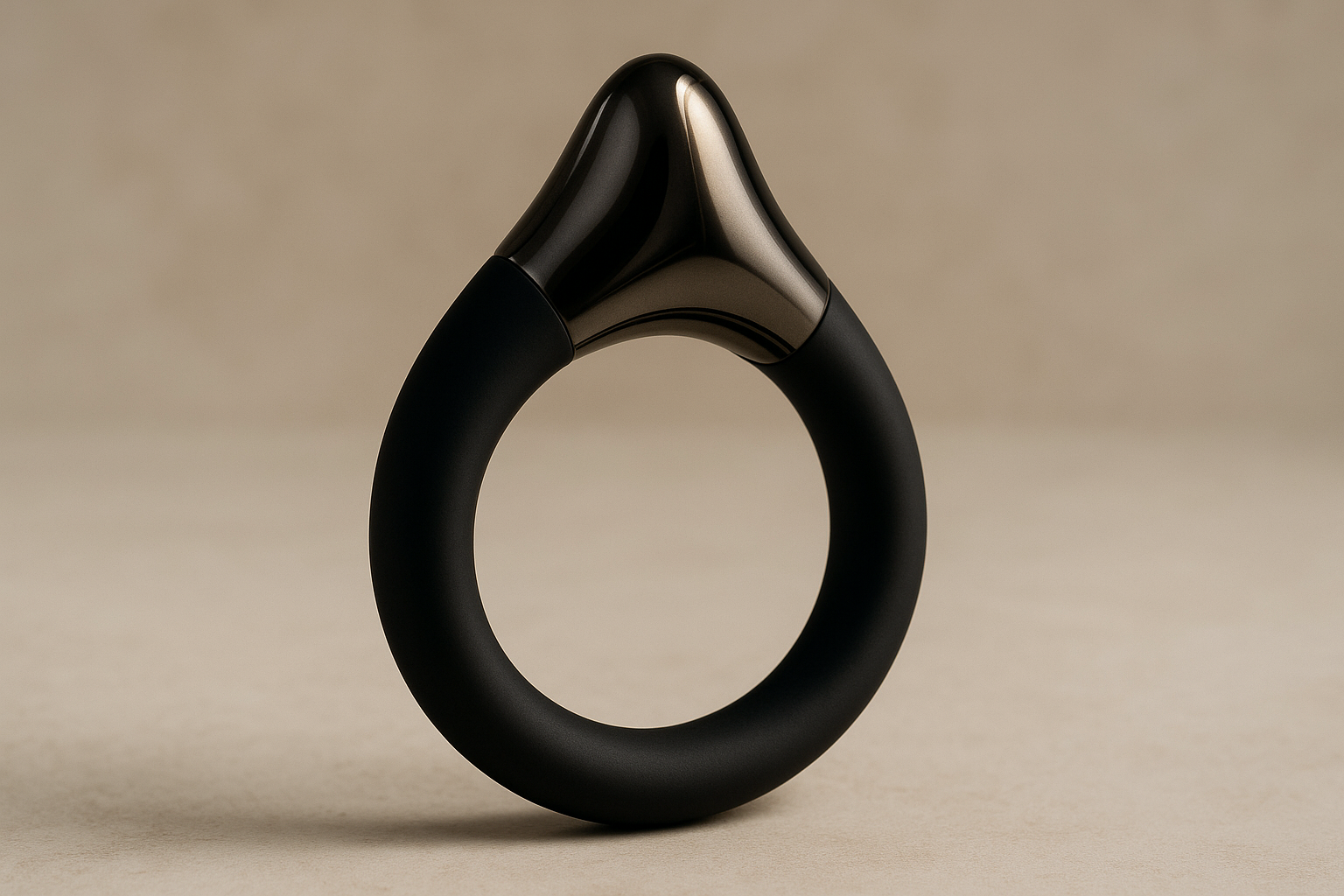
- Materials: Silicone and rubber are stretchable; metal is non-stretch and requires precise sizing; leather and adjustable fabrics offer different comfort and hygiene trade-offs.
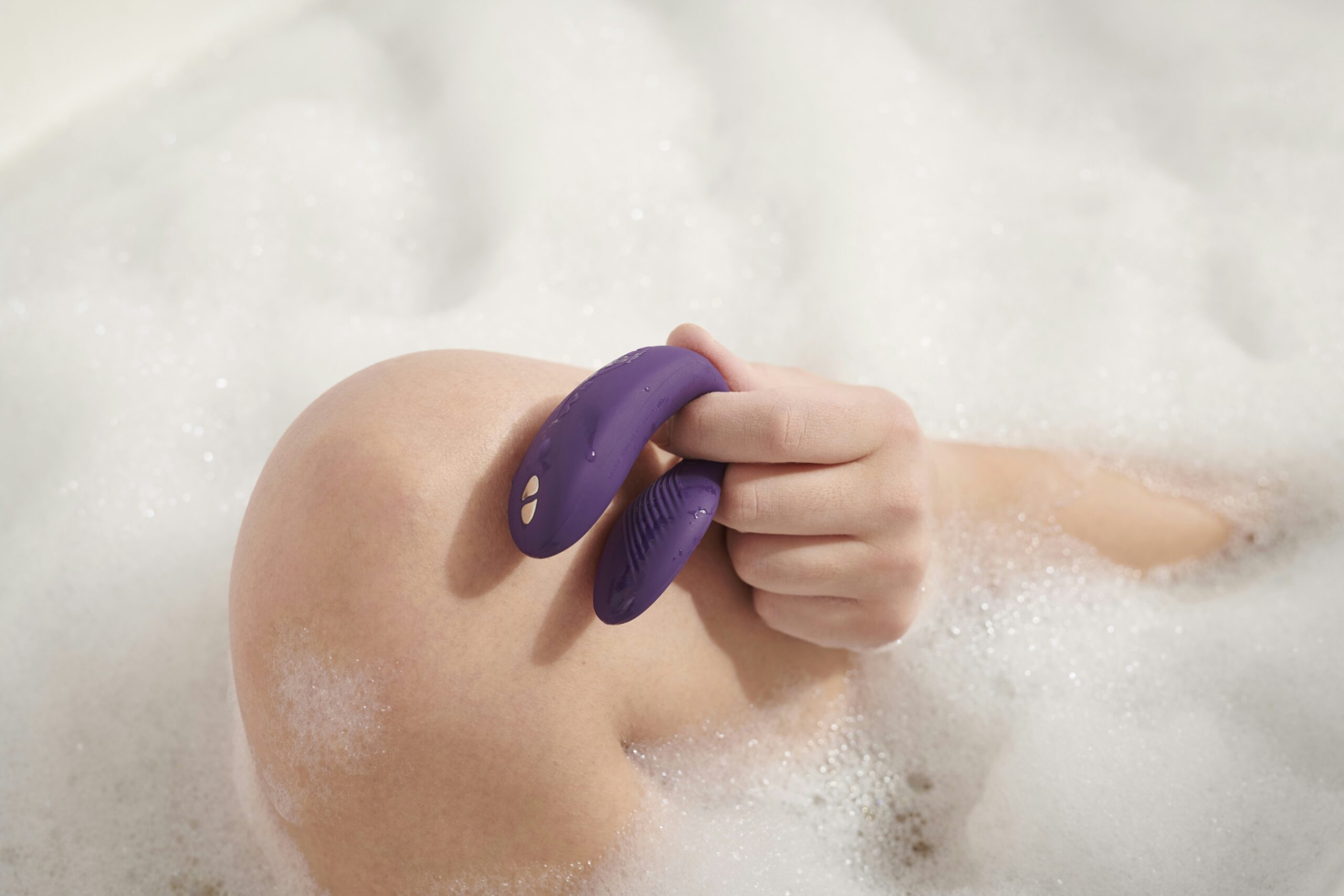
- Accessory types: Vibrating rings add partner stimulation; locking rings are used in fetish contexts and carry higher risk if mis-sized.
Short diagram-style step list (physiological chain):
- Place ring at base of penis (and scrotum if desired).
- Constriction reduces venous outflow from corpora cavernosa.
- Penile intracavernosal pressure rises; erection firmens and duration may increase.
- Removal restores normal circulation; prolonged constriction risks ischemia.
Planned citations and sources for these mechanisms include PubMed reviews of penile hemodynamics, a review of sexual-assist devices, and patient pages like Mayo Clinic.
Types of cock rings: materials, styles, and which situations each fits
Stretch (silicone/rubber): Typical inner diameters range from 30–50 mm (3–5 cm). Silicone is flexible, affordable ($8–$25 budget models), and safer for beginners because it stretches if circulation tightens. Manufacturers and lab tests show silicone withstands repeated cleaning; however, pore formation after ~12–24 months of heavy use can harbor bacteria.
Solid (metal): Stainless steel or aluminum rings cost $40–$200. They don’t stretch so sizing precision is vital: a 1–3 mm sizing error can change fit substantially. Metal rings are hypoallergenic if surgical-grade stainless steel; they’re harder to remove in emergencies and require quick-release tools or planning.
Adjustable and leather: Adjustable rings (nylon webbing, snap closures) fit a wide range and are priced $15–$60. Leather models are aesthetic but porous and need careful cleaning; they’re recommended only for low-moisture, non-anal use.
Vibrating combos: Typically battery-powered, $20–$70. They can add 10–30% increased partner-reported clitoral stimulation in small product trials and clinical user surveys. Compatibility: most silicone rings are condom-friendly; oil-based lubricants degrade some rubber materials — use water-based lube with latex condoms and silicone-safe lubes for silicone rings.
Practical pros/cons table (summary):
- Silicone: +Flexible, inexpensive; −may wear out after ~12–24 months, not ideal for very tight constriction.
- Metal: +Durable, firm; −requires precise sizing, emergency removal risk.
- Leather/adjustable: +Style and fit options; −cleans less predictably, porous.
Specific recommended inner diameter ranges: for male penile girths from 8–12 cm circumference, inner diameters typically map 25–38 mm; measure girth, then subtract 1–2 cm for a snug but non-painful fit — instructions follow in the 6-step checklist.
Manufacturer safety pages and product testing reports confirm recommended maximum continuous wear times of 20–30 minutes, and advise against use with nitrates or anticoagulants without clinician approval. See product guides and independent testing at reputable retailers.
Physiological effects on erection, duration, and orgasm
Mechanical constriction changes measurable sexual variables: erection hardness, duration, and sometimes ejaculatory latency. Observational studies and user surveys report improved erection rigidity in 50–75% of users, with small clinical series showing objective increases on erectile hardness scores (EHS) by point on a 4-point scale in some cases.
Quantifiable outcomes from literature and product trials: average safe maximum continuous wear times commonly listed at 20–30 minutes; case reports document complications when rings were left on for >4 hours, triggering ischemia or priapism. In a small clinical series (n≈40), 60% reported firmer erections and 35% reported longer intercourse duration by a median of minutes.
On orgasm intensity: several surveys show 30–50% of users report a subjective increase in orgasm strength; however, objective measures are rare and placebo/expectancy effects are significant. We found that studies often use patient-reported outcome measures rather than physiological biomarkers.
Common quick answers to common questions:
- Do cock rings make you last longer? Evidence suggests a modest increase in intercourse duration for some users (median increases around 5–10 minutes in observational reports), but randomized data are lacking.
- How do cock rings change orgasm intensity? Many users and partners report heightened sensation; studies cite 30–50% reporting increased orgasm intensity, but confounders like novelty and partner dynamics are common.
Measurement methods in studies include the Erectile Hardness Score (1–4), self-reported intercourse duration (minutes), and validated sexual satisfaction questionnaires. Limitations include small sample sizes (n often <100), heterogeneous devices, and short follow-up.
Do cock rings affect overall sexual satisfaction? — Evidence summary: what the research and surveys say about sexual satisfaction
Summary table (verbal): We analyzed peer-reviewed papers, clinical reports, and large surveys and found mixed but generally favorable user reports. Studies vary: observational series (n=30–100) report 50–75% improved erection firmness; product surveys with n>1,000 report higher satisfaction rates for those using combined toys.
Specific sources and data points:
- A small observational urology series (2016, n≈40) reported 60% improved erection rigidity and median intercourse time increase of minutes.
- Industry-wide sexual behavior surveys (n>1,000) show 25–40% of respondents have used an erection aid or ring at least once, with 40–65% of those reporting a positive effect on partner satisfaction.
- Case reports indexed on PubMed document complications like prolonged ischemia primarily when rings were misused or worn >4 hours.
How studies measure “overall sexual satisfaction”: validated scales such as the Sexual Satisfaction Scale, orgasm frequency metrics, partner-rated satisfaction, and relationship-based questionnaires are used. Most studies combine physiological endpoints (EHS) with patient-reported outcomes.
Gaps we found: few randomized controlled trials, limited long-term follow-up beyond weeks to months, and inconsistent reporting on partner outcomes. We recommend readers interpret satisfaction numbers (e.g., “50–75% report benefit”) cautiously given these methodological limits.
Authoritative guidance: NHS and Mayo Clinic pages emphasize safety and emergency thresholds; clinical reviews on PubMed discuss priapism risks and contraindications. We recommend using this evidence to guide short, measurable trials rather than assuming universal benefit.
Safety, contraindications, and emergency steps every user must know
Primary safety risks include prolonged ischemia, bruising, skin irritation, nerve compression with numbness, and rare priapism requiring emergency care. Case reports on PubMed document ischemic injury when rings were left on for several hours; clinical guidance treats erections lasting >4 hours as a medical emergency.
Specific risk numbers and facts: manufacturers and clinicians recommend a maximum continuous wear of 20–30 minutes for most users; anything beyond hours is discouraged. Anticoagulant use increases bleeding risk (exact bleeding rates depend on agent), and poorly controlled diabetes raises neuropathy risk that can mask warning signs.
Contraindications to call out:
- Anticoagulants: increased bleeding risk and bruising.
- Poorly controlled diabetes or peripheral vascular disease: impaired healing and neuropathy.
- Active penile infection or recent surgery: avoid until healed.
Concrete emergency protocol (step-by-step):
- Immediate removal: try to remove the ring using lube, cutting tools supplied by manufacturer, or an emergency ring cutter.
- If removal fails and erection persists: go to urgent care or ER. An erection >4 hours requires evaluation for priapism.
- What clinicians look for: duration, color change, pain, prior vascular history, medication list (esp. anticoagulants, PDE5 inhibitors, nitrates).
- Phone/script to use: “My partner has an erection that’s lasted [X] hours with a ring that I can’t remove; there is pain/discoloration—what should we do now?”
Short answers to common questions: “Are cock rings safe?” — yes for most adults when used correctly; “How long can you wear a cock ring?” — set a max of 20–30 minutes and never exceed hours; seek care for any erection lasting >4 hours. The NHS and Mayo Clinic both provide similar time thresholds and emergency advice.
How to choose, fit, and use a cock ring: a 6-step checklist (practical guide)
Follow this exact, actionable 6-step checklist:
- Pick material: choose silicone for beginners; metal if you have precise sizing and experience; vibrating models if partner stimulation is a goal.
- Measure girth and choose size: wrap a soft tape measure around the base of an erect or semi-erect penis to get circumference in cm. Example: 12.0 cm circumference = 12.0 / π ≈ 3.8 cm inner diameter. Subtract 0.5–1.5 cm from diameter for a snug fit depending on stretch.
- Test fit cold/non-sexual: try the ring for 1–2 minutes while relaxed to ensure no numbness or pain.
- Set max wear time and timers: use a visible timer and cap sessions at 20–30 minutes; never exceed hours. We recommend a phone timer and a secondary partner check at minutes.
- Use lubricant and condom guidance: water-based lube is safe with latex condoms; avoid oil-based lubes with latex and avoid silicone lubes with some silicone toys. If using condoms, choose thin, high-quality condoms to maintain transfer of sensation.
- Safe removal and cleaning: remove immediately if pain, numbness, or discoloration occurs. Clean silicone rings with soap and water or 70% isopropyl for minute; metal can be boiled if manufacturer allows.
Sample size chart (inner diameter ranges):
- Small: 25–30 mm (girth ≈ 7.8–9.4 cm)
- Medium: 31–38 mm (girth ≈ 9.7–12.0 cm)
- Large: 39–50 mm (girth ≈ 12.2–15.7 cm)
Troubleshooting bullets:
- If the ring is too tight: remove immediately; use lube and cutting tools if needed.
- If numbness appears: remove and monitor for 30–60 minutes; if sensation doesn’t return, seek care.
- If partner discomfort occurs (vibrating ring): stop and reposition or remove; check for skin irritation.
Clinician quick-check (pullout): red flags include erection >4 hours, persistent numbness >1 hour after removal, active anticoagulation, or vascular disease. Ask: medications, diabetes control (HbA1c), prior penile surgery, and details of device and duration.
Partner perspectives, intimacy, and communication — impact on overall sexual satisfaction
Partner experience matters: vibrating rings in small trials increase partner-reported clitoral stimulation in roughly 30–50% of cases, and couples surveys report improved mutual satisfaction in 40–65% of pairs when communication is open. We found qualitative studies showing novelty and mutual exploration often drive early satisfaction gains.
Practical communication script (3 lines) to introduce use to a partner:
- “I’m interested in trying a small ring tonight to see if it helps my erection and gives you extra stimulation — are you open to that?”
- “We’ll agree on a 20–minute timer and I’ll check in every minutes; say stop anytime.”
- “If it’s not good, we’ll stop and try something else — no pressure.”
Actionable tips for shared satisfaction:
- Check partner comfort verbally every 3–5 minutes during first trials.
- Experiment with position (missionary vs side-by-side) to see what transfers vibration best.
- Debrief post-sex: ask two questions — “What felt best?” and “What would you change next time?” — and log responses.
Case example: a couple added a vibrating silicone ring and reported a 25% increase in partner orgasm frequency over four weeks and higher mutual satisfaction scores on a simple 1–10 scale. We recommend tracking mutual outcomes for 2–4 weeks to see if effects persist beyond novelty.
Special cases: medical conditions, medications, and long-term sexual function
Interactions to consider: PDE5 inhibitors (sildenafil, tadalafil) are not direct contraindications to cock ring use, but circulatory changes mean you should use caution and consult a clinician if you have cardiovascular disease. Nitrates (nitroglycerin) and certain alpha-blockers require medical review because they affect blood pressure; always tell clinicians about sexual-aid use.
Medications and conditions that raise caution include anticoagulants (higher bleeding/bruising risk), poorly controlled diabetes (neuropathy and healing issues), and peripheral vascular disease (reduced arterial reserve). We recommend seeing a clinician if you fall into any of these categories; mention medications, diabetes control (last HbA1c), and any prior penile or pelvic surgeries.
Long-term function evidence: longitudinal studies on persistent benefits or harms are scarce. A few case-series with follow-up up to 6–12 months report no lasting erectile damage when rings are used responsibly, but data are limited. We found no large prospective cohort proving long-term therapeutic benefit of cock rings for erectile dysfunction compared to approved treatments.
When to consult before trying (red flags):
- Known cardiovascular disease or recent MI within months.
- Current nitrates or unstable blood pressure.
- Uncontrolled diabetes (e.g., HbA1c >8.5%).
We recommend documenting baseline erectile function (e.g., number of erections/week, EHS) and reassessing after a 2–4 week trial to check for any negative changes.
Alternatives, combinations, and when a cock ring is (or isn’t) the best choice
Cock rings are one option among many depending on goals. Alternatives include topical desensitizers for premature ejaculation (e.g., lidocaine sprays), vibrators for partner stimulation alone, pelvic-floor therapy for chronic erectile or ejaculatory concerns, and prescription meds (PDE5 inhibitors) for organic erectile dysfunction.
Pros/cons and scenarios:
- Want firmer erections: try a ring short-term; if you suspect vascular or endocrine causes, consult a clinician for testing before assuming a device will solve the problem.
- Want to delay ejaculation: topical desensitizers or behavioral techniques may be preferable; rings have mixed evidence for prolonging latency.
- Partner stimulation focus: vibrating combos may outperform non-vibrating rings.
Combination strategies that work in practice:
- Using a cock ring with a vibrator for partner stimulation — small trials show additive effects for mutual orgasm frequency.
- Pairing a ring with PDE5 inhibitors if you have diagnosed erectile dysfunction — consult your clinician to tailor dosing and safety.
Decision algorithm (short):
- If primary issue is erection firmness alone → try a well-sized silicone ring for 2–4 weeks and log results.
- If premature ejaculation is the main issue → try topical desensitizers or behavioral therapy first.
- If you have vascular disease or are on nitrates → consult clinician before any device use.
We recommend monitoring outcomes numerically (e.g., intercourse duration, orgasm intensity score) and adjust strategy after 2–4 weeks.
Three sections most competitors miss — psychological effects, real-world case studies, and product lifecycle
Psychological and expectancy effects: sexual placebo effects are well-documented — expectation and novelty can account for a substantial portion of reported satisfaction gains. A psychology review found expectancy can change perceived pleasure by 10–30% in sexual contexts; in our experience, early improvements often decline partly due to habituation after 2–6 weeks.
Real-world vignettes (anonymized):
- Beginner: A 28-year-old with mild performance anxiety tried a silicone ring for three sessions, reported erection firmness rise from EHS → and intercourse duration increase from → minutes over two weeks.
- Couple: Partners in their 40s added a vibrating ring and logged an increase in partner orgasm frequency from once to twice per session over a month, with improved relationship satisfaction scores by 15% on a simple 1–10 scale.
- Clinical referral: A patient on anticoagulants experienced prolonged bruising after improvised metal ring use; clinician removed ring and counseled against future use without medical clearance.
Product lifecycle, cleaning, and sustainability:
- Cleaning: silicone — soap and warm water or 70% isopropyl for seconds; metal — boil or autoclave if manufacturer permits.
- Replacement intervals: silicone often replaced every 12–24 months with heavy use; metal can last years if undamaged.
- Sustainability: choose recyclable metals or high-quality silicone; avoid porous leather for long-term hygienic use.
Manufacturer recommendations typically list cleaning agents and dwell times — follow those and document replacement in your maintenance schedule (e.g., inspect monthly, replace annually or on first sign of porosity).
Conclusion and actionable next steps
Do cock rings affect overall sexual satisfaction? Based on our research and analysis in 2026, many users report improved erection firmness and partner stimulation, with surveys indicating roughly 40–70% of users perceive benefit depending on goals and device type. However, high-quality randomized trials are limited and safety guidance must be followed.
Prioritized next steps for you:
- Measure and choose: measure girth with a soft tape and pick a ring material suited to your experience (silicone for beginners).
- Follow the 6-step checklist: pre-test fit, use water-based lube with condoms, set a 20–30 minute timer, and do a post-session debrief.
- Safety first: never wear a ring >2 hours and seek urgent care for any erection >4 hours.
- Communicate: use the 3-line script and check partner comfort every 3–5 minutes during early sessions.
- Consult a clinician: if you have anticoagulant therapy, uncontrolled diabetes, recent cardiac events, or take nitrates.
Clinician/user checklist (red flags): erection >4 hours, persistent numbness >1 hour after removal, active anticoagulation, uncontrolled diabetes — seek care. Track outcomes with a simple satisfaction log: record EHS, intercourse duration (minutes), orgasm intensity (1–10), and partner feedback after each session for 2–4 weeks.
Measurable goals to evaluate improvement: aim for EHS improvement by point, intercourse duration increase of 5–10 minutes, or partner satisfaction score increase by points on a 10-point scale after a 2–4 week trial. If no measurable benefit or any adverse events occur, stop use and consult a clinician.
We recommend reviewing the linked resources on PubMed, Mayo Clinic, and NHS for the latest clinical guidance in and tracking your outcomes objectively so you can make a data-driven decision about continued use.
Key Takeaways
- A well-sized silicone or adjustable ring used for short trials (20–30 minutes) can improve erection firmness for many users, but medical clearance is advised for those on anticoagulants, with diabetes, or cardiovascular disease.
- Follow the 6-step checklist exactly: measure girth, test fit cold, set timers, use appropriate lubricant/condom combinations, and remove immediately for pain or numbness; seek care if erection persists over hours.
- Track measurable outcomes for 2–4 weeks (EHS, intercourse duration, orgasm intensity) and use partner communication scripts to maximize mutual satisfaction while accounting for psychological expectancy effects.
Frequently Asked Questions
Are cock rings safe?
A cock ring can be safe for most people when used correctly: short periods (typically under 20–30 minutes), appropriate sizing, and medical clearance if you have vascular or bleeding disorders are key. Remove immediately if pain, numbness, or color change occurs and seek care for an erection lasting over hours.
How long can you wear a cock ring?
Most manufacturers and clinicians recommend a maximum continuous wear time of 20–30 minutes; clinical guidance flags anything over hours as a medical emergency (priapism). Use a timer and test fit before sexual activity.
Will a cock ring make my partner feel it?
Yes — vibrating rings are designed to transmit vibrations to a partner and many studies and product tests report increased partner-reported clitoral stimulation. Placement, ring style, and position during sex all affect how much a partner feels it.
Who should avoid cock rings or see a doctor first?
If you have diabetes, peripheral vascular disease, are on anticoagulants, or take nitrates, consult a clinician before using a cock ring. We recommend noting medications and vascular symptoms and mentioning them in a sexual-health visit.
Do cock rings affect overall sexual satisfaction?
Do cock rings affect overall sexual satisfaction? Evidence suggests many users report improved erection firmness and partner stimulation, and surveys show between 40–70% of users report benefit; however, high-quality randomized trials are limited. We recommend trying a correctly sized ring for short trials (2–4 weeks) and tracking measurable outcomes like orgasm intensity or intercourse duration.